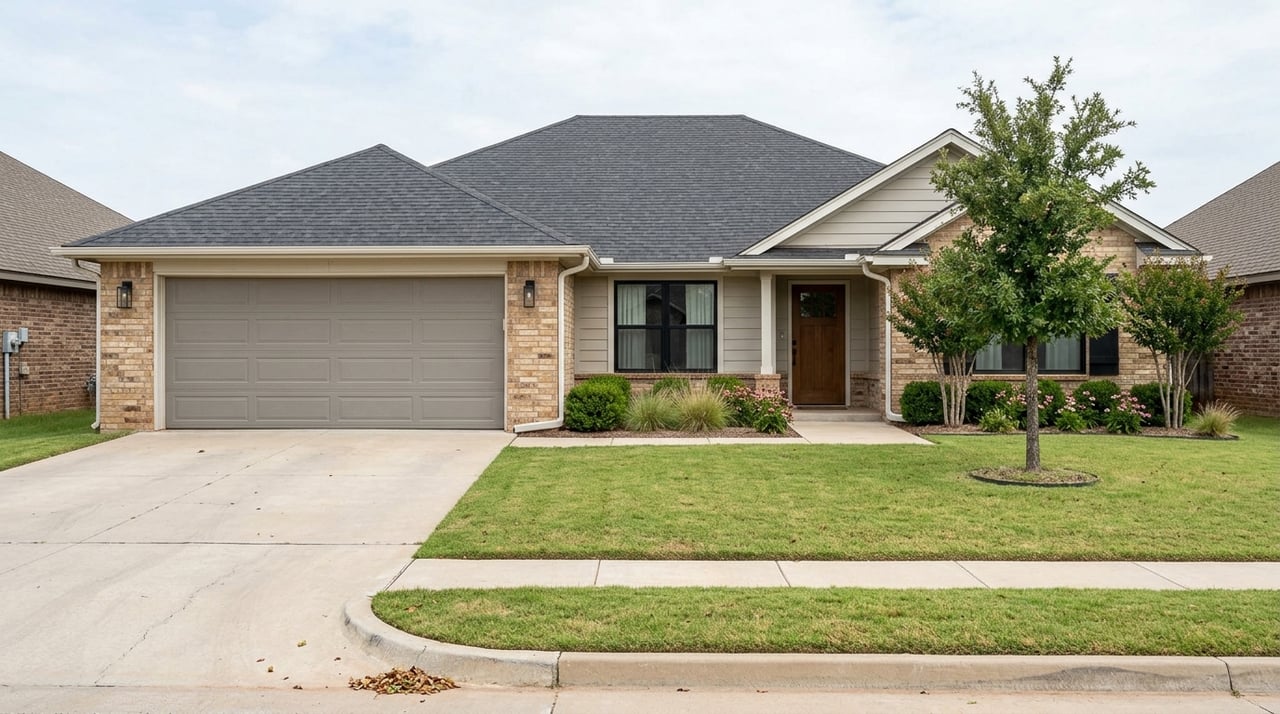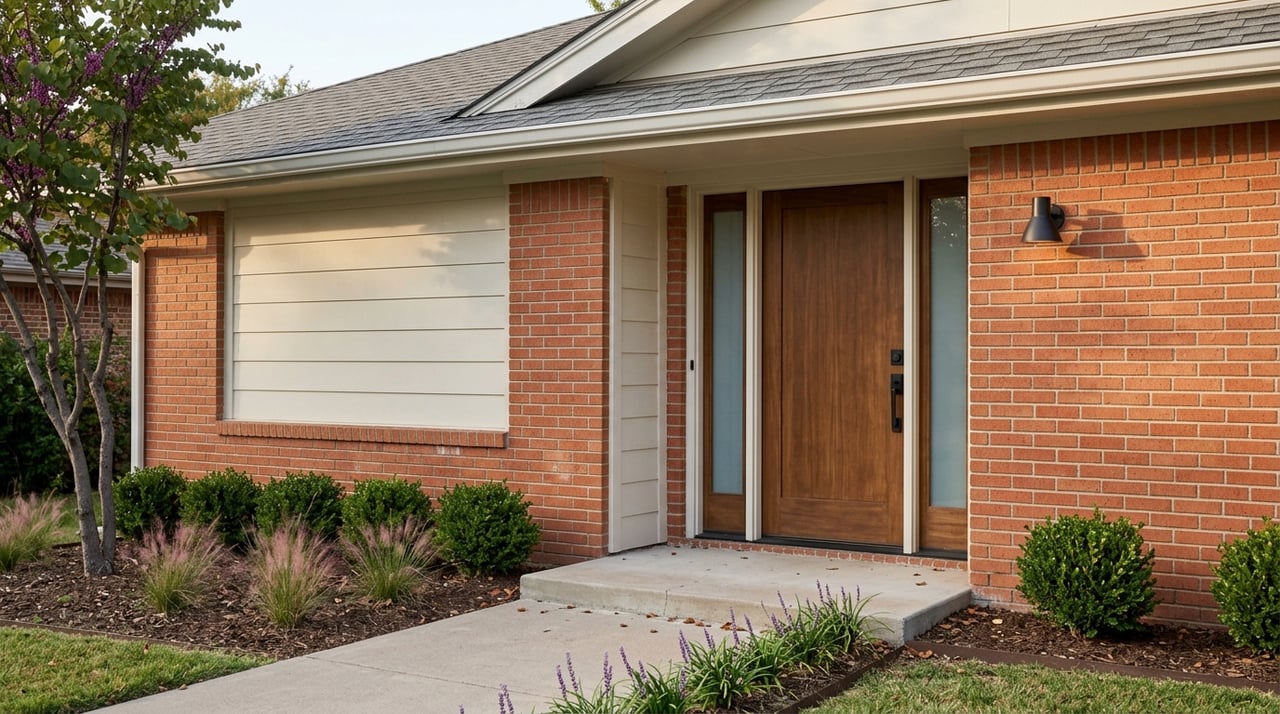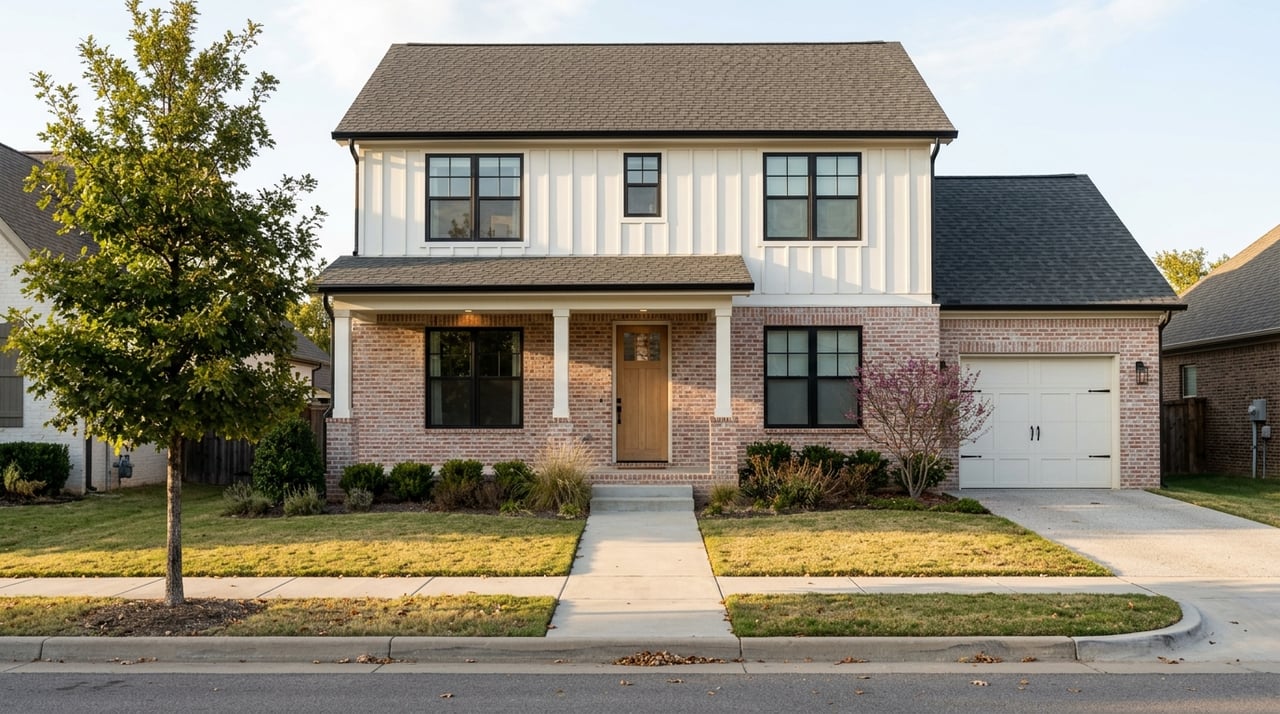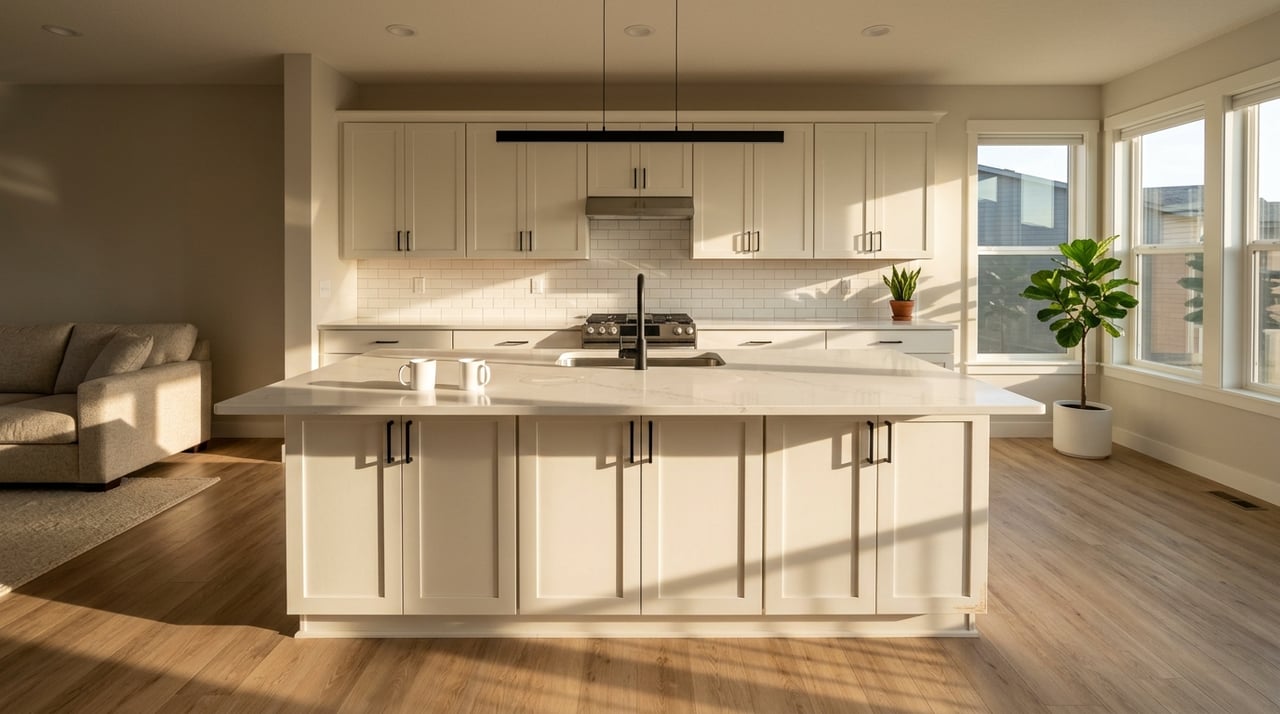
Feeling squeezed by your current home but nervous about juggling a sale and a purchase at the same time? If you are planning a move-up in Norman, you are not alone. The good news is that a smoother transition is possible when you understand the local market, line up your financing early, and create a backup plan before you need one. Let’s dive in.
Why move-up planning matters in Norman
A move-up transition is more than finding a larger or better-fitting home. You are also coordinating two major transactions with different timelines, costs, and risks. In Norman, that coordination matters because the market still rewards thoughtful pricing and timing.
Recent 2026 market snapshots point to the same overall picture even though the numbers vary by source. Realtor.com reported 880 homes for sale in May 2026, a median listing price of $350,000, a median sold price of $283,450, and 43 median days on market. Redfin showed a median sale price of $281,831, 35 days on market, and a 98.1% sale-to-list ratio, while Zillow reported a typical home value of $265,359, 527 homes for sale, and homes going pending in about 13 days.
The big takeaway is simple: Norman is active, but it is not a market where you can wing it. Buyers still have options, sellers still need a smart pricing strategy, and your timing should be based on your specific home and target area rather than broad headlines.
Norman micro-markets can change your strategy
One of the most important things to know about moving up in Norman is that not every part of the city behaves the same way. Even within Norman, your current home and your next home may sit in very different micro-markets.
Realtor.com zip-level data shows median listing prices ranging from $294,900 in 73071 to $444,900 in 73072. Median days on market also vary, from 33 to 48 days across the zip codes shown. That means your sale timeline may not match the purchase timeline you expect.
If your current home is in a price range with steady demand, it may attract attention quickly. If the home you want to buy is in a tighter or higher-priced segment, you may need to be ready to act fast and write a clean, well-prepared offer. This is one reason a calm move-up plan should start with both sides of the transaction at the same time.
Should you sell first or buy first?
For many homeowners, the safest default is still to sell first and buy second. That path usually lowers the risk of carrying two housing payments at once and helps you know exactly how much equity you have available for your next purchase.
It also creates more clarity around your budget. The Consumer Financial Protection Bureau recommends budgeting not just for the new down payment, but also for closing costs, moving costs, repairs, and other ownership expenses. That fuller picture can help you avoid stretching too far.
That said, selling first is not the only option. A buy-first plan can work if you have enough equity, enough cash reserves, and a lender who has reviewed the whole scenario with you. The key is not choosing the most aggressive path. It is choosing the one that leaves you with room to breathe.
Financing options that can reduce overlap stress
If you need flexibility, several financing tools may help bridge the gap between selling your current home and buying the next one. Each option can be useful, but each one also adds complexity.
A HELOC lets you borrow against your home equity as needed, usually through a second mortgage with a variable rate. A home equity loan gives you a lump sum, usually with a fixed rate. A cash-out refinance replaces your current mortgage, which may raise your borrowing cost if current rates are higher than your existing rate.
For a short-term gap, bridge financing may also be an option. CFPB describes bridge loans as temporary financing of 12 months or less, including loans used to buy a new home while the borrower plans to sell the current one within 12 months.
These tools can help with a down payment, short overlap period, or timing mismatch. But they should be used carefully. The right question is not just, "Can I qualify?" It is also, "What is my exit plan if my current home takes longer to sell than expected?"
Preapproval is helpful, but not final
Many move-up buyers feel relieved once they get preapproved. That is a good first step, but it is not the same as a guaranteed loan.
CFPB notes that lenders typically check your credit during preapproval and that preapproval letters often expire after 30 to 60 days. Mortgage rates can also change daily, so the numbers you reviewed early in the process may need to be refreshed as your search continues.
If you are balancing a sale and purchase, stay in close contact with your lender. You want updated numbers, clear guidance on your maximum comfort level, and quick communication if your timeline shifts.
Build your move-up plan in parallel
In Norman, planning your sale first and your purchase later can leave you scrambling. Based on current local data showing median days on market in roughly the 35 to 43 day range, plus sale-to-list ratios near 98%, the smoother approach is usually to work both plans in parallel.
That means preparing your current home for market while also defining what you want in the next one. It means getting your financing reviewed before your home goes live, not after. It also means discussing backup housing options early, just in case dates do not line up perfectly.
A parallel plan tends to reduce panic. Instead of reacting to each step, you are moving through a sequence that has already been thought through.
What to budget beyond the down payment
One of the easiest ways to create stress is to underestimate how much cash you will need. A move-up purchase often comes with costs that are easy to overlook when you are focused on sale price and down payment.
Your budget should account for:
- Closing costs on the home you buy
- Potential closing costs tied to your sale
- Moving expenses
- Repairs or touch-ups before listing
- Inspection-related repairs or credits
- Utility overlap
- New furniture or appliances
- Temporary storage or short-term housing if needed
If a seller offers to help with closing costs on the home you are buying, look at the full deal structure. CFPB notes that seller-paid closing costs can come with a higher purchase price, so you want to evaluate the total numbers, not just the monthly payment.
Contingencies can protect your transition
When you are buying while also selling, your contract terms matter. CFPB recommends making the purchase contract contingent on financing and on a satisfactory inspection so you are not required to close if the loan falls through or the inspection uncovers serious issues.
That protection matters even more in a move-up scenario. If the inspection reveals major repairs, you may be able to renegotiate, request a credit, or cancel if your contract allows it. Some loan programs also require a property to meet certain standards before closing, so repair issues can affect financing as well as negotiations.
The inspection should be scheduled as soon as possible. The faster you learn about condition issues, the more time you have to make a calm decision instead of a rushed one.
Keep your team aligned from day one
A smooth move-up transaction usually depends on communication as much as pricing or financing. CFPB recommends building a network of advisors, and for a move-up homeowner that often includes your listing agent, buyer’s agent, lender, and title or settlement team.
Everyone should be working from the same timeline. That includes target list date, showing plan, offer strategy, financing status, inspection deadlines, and expected closing windows. When those moving parts stay aligned, the process tends to feel much more manageable.
This is where a high-touch approach matters. A calm transaction rarely happens by accident. It usually comes from steady communication, clear expectations, and quick problem-solving when details shift.
Avoid last-minute financing mistakes
Even strong move-up plans can get derailed late in the process if your financial profile changes. CFPB advises against taking out a car loan, making large purchases, or applying for new credit cards in the months before buying.
Try to keep your finances boring while you are under contract. Do not assume a quick purchase or new account will not matter. Underwriting can revisit your file before closing, and even small changes can create delays or force new documentation.
If you are ever unsure, ask your lender before making a move. That one phone call can save a lot of stress.
Review your loan and closing documents carefully
As your closing gets closer, pay careful attention to the paperwork. CFPB recommends comparing loan offers and reviewing both the Loan Estimate and Closing Disclosure closely.
Check key items such as:
- Interest rate
- Loan amount
- Closing costs
- Cash to close
CFPB also notes that the Closing Disclosure should be checked against the Loan Estimate for important changes. If a fee, amount, or term looks different than expected, ask questions right away.
A calm Norman move-up starts with preparation
Norman offers real opportunity for move-up buyers and sellers, but it still takes planning to make the timing work. With active inventory, neighborhood-by-neighborhood differences, and median market times that still require attention, your best advantage is a strategy that connects pricing, financing, and logistics from the start.
If you want your next move to feel more organized and less overwhelming, a steady plan can make all the difference. When you are ready for a thoughtful, low-stress approach to selling your current home and buying the next one in Norman, connect with Rachael Silverstein.
FAQs
Should I sell my current home first before buying a move-up home in Norman?
- Usually, selling first is the safer default because it can reduce the risk of carrying two housing payments and gives you a clearer picture of your available equity.
How long do homes usually take to sell in Norman?
- Recent 2026 sources placed Norman median days on market in roughly the 35 to 43 day range, though timing can vary by price point, condition, and zip code.
What financing options can help with a Norman move-up home purchase?
- Possible tools include a HELOC, home equity loan, cash-out refinance, or short-term bridge financing, depending on your equity, reserves, and lender guidance.
What costs should I budget for during a move-up home transition in Norman?
- Beyond the down payment, you should plan for closing costs, moving expenses, repairs, utility overlap, possible storage or temporary housing, and purchases for the new home.
What contract protections matter when buying a move-up home in Norman?
- Financing and inspection contingencies can help protect you if your loan falls through or the inspection reveals serious problems that affect the deal.
How can I keep a Norman move-up transaction from feeling chaotic?
- Keep your agent, lender, and closing team aligned on dates, documents, contingency deadlines, and backup plans from the beginning.