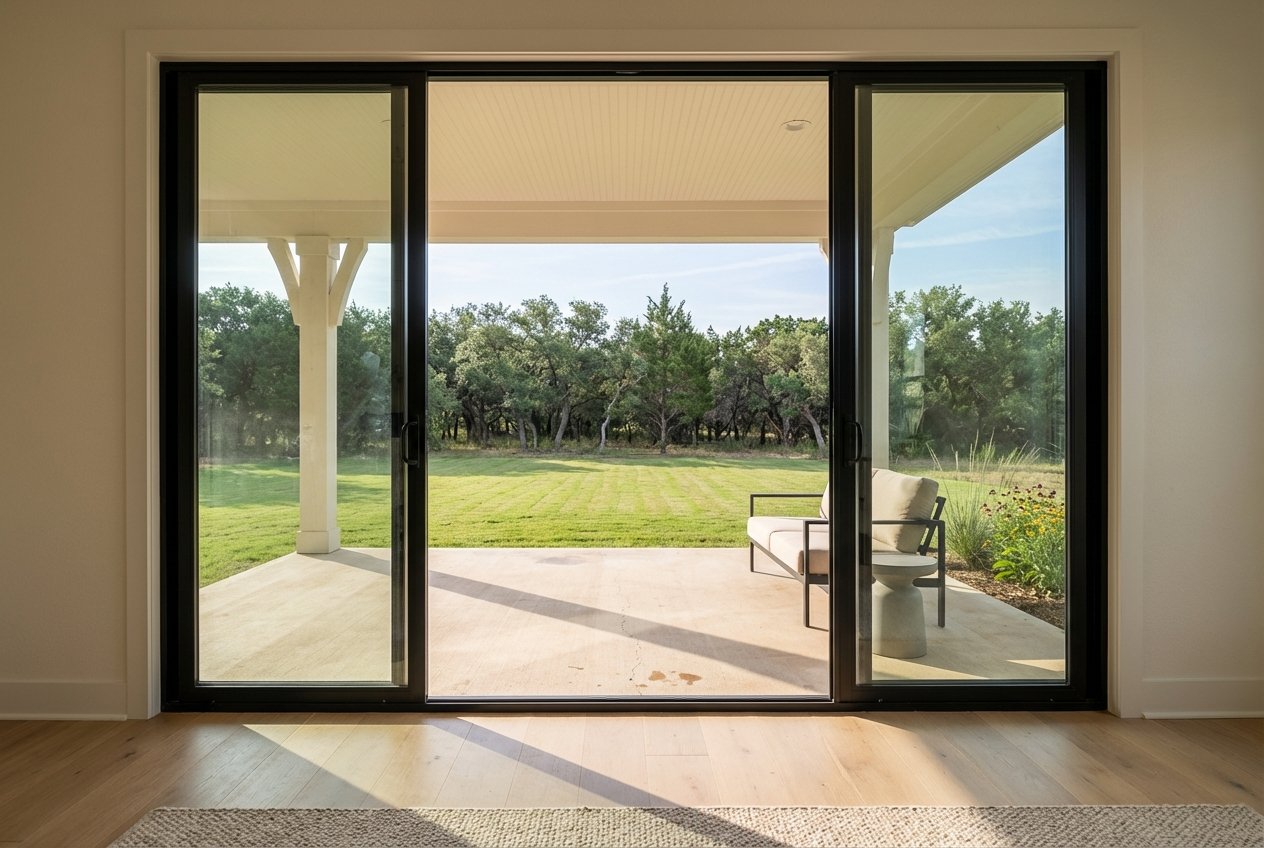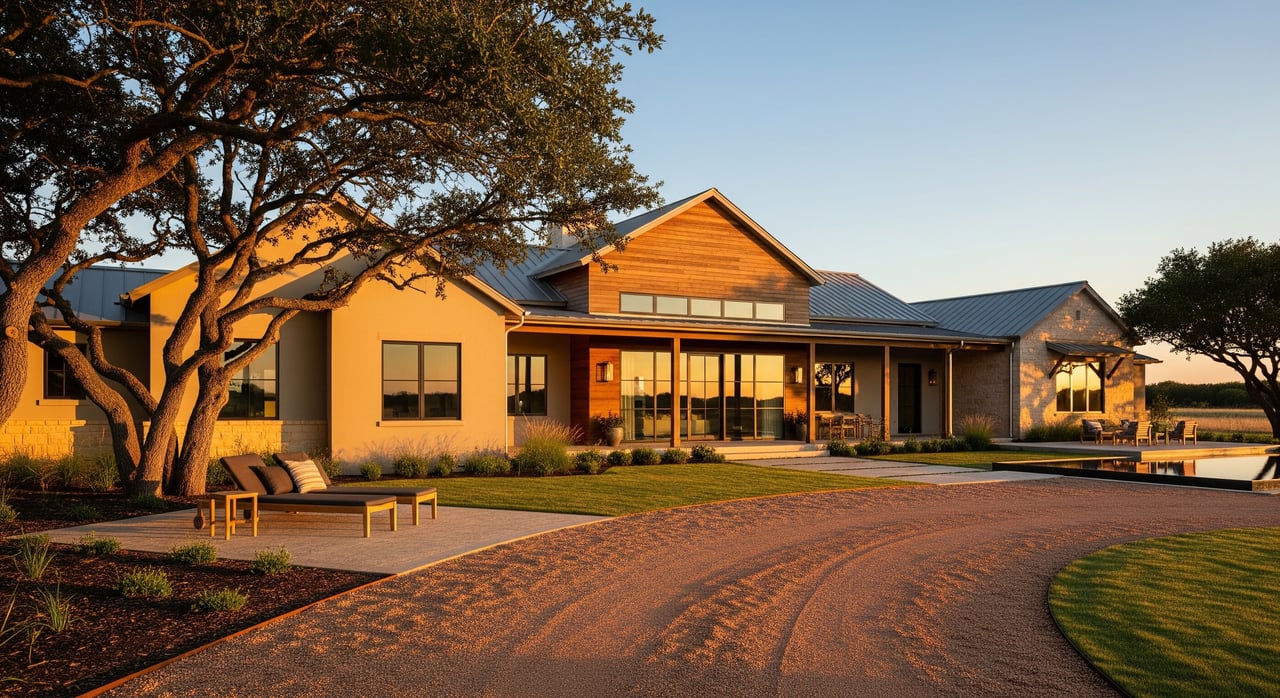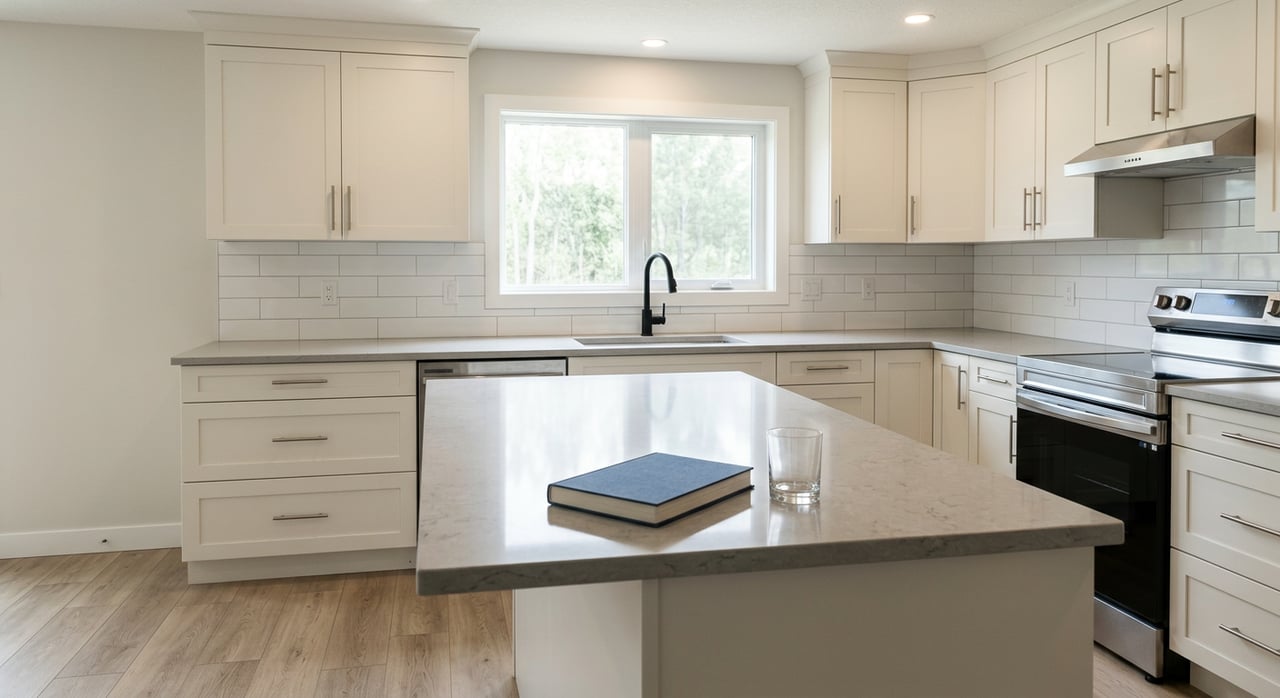
Picture this: you walk into a bright, untouched home where every finish is exactly what you picked. No repairs from a previous owner. No surprises about how old the roof is. If you are thinking about a new construction home in Newcastle, you are in good company. This guide gives you a calm, step-by-step look at local builders and communities, pricing and lots, the permitting process, inspections and warranties, financing options, and how to protect your interests from contract to closing. Let’s dive in.
Newcastle new construction at a glance
Newcastle is an active new-home market in the OKC metro. You will find a mix of entry-level and move-up communities, plus some semi-custom options on larger lots. Many production neighborhoods start in the low-to-mid $200Ks and extend into the mid $300Ks, with semi-custom or gated pockets often beginning in the mid $400Ks and higher. Exact pricing varies by lot, plan, and finish level.
Lot sizes range widely. Smaller tract lots around 0.11 to 0.20 acres are common in entry-level communities. On the edges of town you will also see half-acre homesites and other larger parcels that attract semi-custom and luxury product. Confirm acreage on the builder’s website or MLS listing before you commit.
Many new neighborhoods in Newcastle use HOAs. Always request the full HOA packet, including CC&Rs, fees, and any upcoming assessments. Review these documents before you lock in a lot so you know the rules on fencing, exterior materials, and parking.
Where to look: builders and communities
You have several reputable options in or near Newcastle. A few you may see as you tour models and browse inventory include:
- D.R. Horton at Wyndemere. Production homes with published plans, standard features, and community amenities. Review included features and upgrade options on the Wyndemere community page.
- The Builder’s Collective at Pulchella. A luxury pocket known for larger homesites and semi-custom opportunities. Explore the Pulchella community overview to get a feel for lot sizes and design styles.
- United Built Homes. A regional builder serving Newcastle with customizable floor plans and build-on-your-lot solutions. See the UBH Newcastle profile.
Other familiar names in the market include Colony Fine Homes, Rausch-Coleman Homes, and Home Creations. Inventory changes quickly, so confirm current lots, specs, and incentives with each builder before you set your budget.
How the building process works locally
Permits and inspections
If your lot is inside Newcastle city limits, you apply for building permits and schedule inspections through the City of Newcastle’s online Planning and Community Development portal. The city coordinates plan review and inspection timing, and you can track permits and inspection records online. Learn more on the city’s page for Building in Newcastle.
If the property is in unincorporated McClain County, the county’s permitting and floodplain procedures apply instead. Check the county’s guidance and forms for unincorporated parcels on the McClain County permits page.
Typical construction phases include site prep and utilities, foundation, framing, rough-ins for electrical, plumbing, and HVAC, insulation and drywall, interior finishes, and final inspections that lead to a Certificate of Occupancy. Newcastle outlines how to request inspections through the city portal, and inspectors verify code compliance at key stages.
Typical build timelines
Time to completion depends on plan complexity, supply chain, weather, and permitting. As a general rule of thumb, many production builds finish in roughly 6 to 10 months, while custom homes often take 9 to 18 months or more. National summaries that draw on U.S. Census data place the average around 10 months from permit to completion. You can review a helpful overview of timelines in this build-time guide. Always confirm the builder’s projected schedule in writing and note any contract language that allows for delays.
Final approval and move-in
You should not assume move-in until the jurisdiction issues final approval. For homes inside Newcastle city limits, municipal final inspections must pass before the home is cleared for occupancy. Your closing date should align with this sign-off to avoid last-minute surprises.
Financing your new build
New construction uses a few different financing paths. The best fit depends on whether you are buying a builder’s move-in-ready home or building from scratch.
- Construction-to-permanent loan. Also called a one-close loan. You close once, draw funds for construction, then convert to your permanent mortgage when the home is finished. Some programs, including FHA and VA, may support this structure, but not all lenders or builders offer every program. See this overview of FHA construction-to-permanent loans to understand how they work.
- Construction loan plus permanent mortgage. You take a short-term construction loan to fund the build, then refinance into a standard mortgage at completion.
- Conventional mortgage for spec or quick-move homes. If the builder already owns the lot and is delivering a nearly finished home, you may be able to use a standard mortgage.
Builders sometimes advertise preferred-lender incentives like rate buydowns or closing cost credits. These can be valuable, but always compare the total package with an outside lender. Ask your agent to help you evaluate the bottom-line difference.
Inspections and warranties that protect you
Why independent inspections matter
City inspectors focus on code compliance. That is not the same as a buyer-focused quality inspection. Hiring your own inspector at key milestones helps catch issues while the home is still open and easy to correct.
A practical schedule includes four key checkpoints:
- Pre-footing or foundation check, if timing allows.
- Pre-drywall inspection after rough-ins but before insulation and sheetrock. This is your best chance to see what is inside the walls.
- Final independent inspection before closing and the builder’s walkthrough.
- An 11-month inspection near the end of the builder’s first-year warranty to catch items that appear after settlement.
For a helpful look at what a pre-drywall inspection covers, review this pre-drywall inspection guide. Coordinate inspection dates with your builder so everyone is aligned on access and timelines.
Understanding the layered warranty
Most builders offer a layered warranty that is often described as 1-2-10. You will typically see one year of coverage for workmanship and finishes, two years for distribution systems like plumbing and electrical, and ten years for major structural elements. Many builders back the structural portion with a third-party program. A common example is 2-10 Home Buyers Warranty. Learn what a structural policy usually covers by visiting 2-10 Home Buyers Warranty, then ask your builder for the exact policy and exclusions in writing.
Practical tips:
- Ask for the full written warranty at contract signing and note when coverage begins.
- Keep dated photos and notes from each inspection and the final walkthrough.
- Submit warranty requests in writing and keep copies.
- Schedule your 11-month inspection early so the builder has time to address items before coverage expires.
Contracts, upgrades, and cost control
Read the builder contract closely
Production-builder contracts are drafted to protect the builder. Typical clauses cover deposit rules, substitutions for materials, timelines that can extend for delays, and change-order processes. Before you sign, have your buyer’s agent or a real estate attorney review the contract, especially the deposit refund terms, completion obligations, financing contingencies, and dispute resolution. Here is a useful overview of why buyer representation matters for new builds from HomeLight.
Model homes vs your base home
Model homes are showpieces. Many finishes you see are upgrades that do not come with the base price. At your design appointment, builders present standard features and a menu of upgrades with cut-off dates. Go in with a firm budget. Ask your agent which upgrades tend to deliver the best resale ROI in your price band. Always get a written list of what is included in the base price, from appliances to exterior materials and landscaping.
Change orders and timeline impact
If you decide to tweak your plan or finishes after initial selections, insist on a written change order that spells out cost and schedule impact. Some upgrades are less expensive to handle after closing. Others are only practical during construction. Your agent can help you weigh the options and protect your timeline.
Your agent vs the builder’s rep
Who the sales rep works for
The friendly person in the model represents the builder’s interests. They can explain floor plans and incentives, but they do not owe you fiduciary duties. If you want a negotiator and advocate on your side, bring your own buyer’s agent. A clear explanation of this difference is outlined in this new-construction buyer’s guide.
Agent registration matters
Many builders require that your agent be with you on your first visit or that they register you before you share your contact details. This is how builders recognize representation and cooperative commissions. If you plan to use an agent, either bring them to your first tour or hold off on registering until they can join you.
What your buyer’s agent handles
A strong buyer’s agent will:
- Review and negotiate the builder contract and deposit schedule.
- Help you prioritize design selections and upgrade ROI.
- Coordinate independent inspections and the final walkthrough.
- Track allowances, change orders, and builder obligations.
- Manage closing logistics and follow-up on punch list items.
In most production communities, builders budget for cooperative commissions. That means your representation is often already built into the price.
Quick checklist for first visits
- Bring or register your buyer’s agent on day one. If you go alone, do not register yet if you plan to bring an agent later.
- Ask for the full sales contract, warranty booklet, and the builder’s inspection schedule. Do not sign until your agent or attorney has reviewed everything.
- Request the name of the structural-warranty provider and the claims contact info.
- Get a written list of standard features vs upgrades. Confirm what is included in the base price.
- Reserve the right to schedule independent pre-drywall and final inspections. Plan an 11-month warranty inspection.
Permits and next steps in Newcastle
- If building inside city limits, use the City of Newcastle’s portal to apply for permits, request inspections, and track approvals. Start here: Building in Newcastle.
- If building in unincorporated McClain County, follow county permitting and floodplain procedures noted on the McClain County permits page.
- Do not schedule movers until final inspections pass and the jurisdiction clears your home for occupancy.
Ready to explore floor plans, compare builders, or walk a few lots in person? You can move forward with confidence and a calm plan. Schedule a Calm Consultation with Rachael Silverstein to map your budget, timeline, and top priorities before you step into the model.
FAQs
How much do new construction homes cost in Newcastle?
- Many production communities start in the low-to-mid $200Ks and extend into the mid $300Ks, while semi-custom or larger-lot options often begin in the mid $400Ks and higher based on lot and finishes.
What lot sizes are common in Newcastle new builds?
- You will see smaller lots around 0.11 to 0.20 acres in entry-level neighborhoods and larger half-acre homesites on the town’s edges in semi-custom or luxury pockets.
Who handles building permits in Newcastle, OK?
- Inside city limits, permits and inspections run through the City of Newcastle’s online portal; unincorporated parcels follow McClain County permitting and floodplain rules.
How long does it take to build a new home?
- Many production builds finish in about 6 to 10 months, while custom homes often take 9 to 18 months or more, depending on plan, supply chain, and weather.
Do I still need a home inspection for a brand-new house?
- Yes; schedule at least a pre-drywall inspection and a final inspection before closing, plus an 11-month check during the builder’s warranty period.
What does a typical new-home warranty cover?
- Many builders follow a 1-2-10 pattern: one year for workmanship, two years for distribution systems, and ten years for major structural elements, with details set in the written policy.
Should I use the builder’s preferred lender?
- Preferred lenders can offer attractive incentives, but you should compare total costs and rates with an outside lender to confirm you are getting the best overall deal.
Why bring a buyer’s agent to a model home?
- The onsite rep works for the builder; your agent reviews the contract, negotiates terms, coordinates inspections, and protects your interests from contract to close.