If you are torn between a charming older home and a polished newer build in Oklahoma City, you are not alone. This choice often comes down to more than style because layout, upkeep, energy performance, and future projects can affect your daily life and your budget. The good news is that there is no one-size-fits-all answer, and with the right framework, you can make a choice that feels calm and confident. Let’s dive in.
Older vs. newer homes in Oklahoma City
In Oklahoma City, older and newer homes often offer very different living experiences. City planning materials show that many older urban areas were built before the 1930s and are shaped by infill, rehabilitation, and established street patterns. Newer homes are more often found in lower-density settings that can feel more like subdivisions.
That difference shows up quickly when you tour homes. Older properties may offer mature surroundings, more distinct architecture, and a neighborhood pattern that feels more connected to the city core. Newer homes often appeal to buyers who want modern layouts, updated systems, and a more move-in-ready starting point.
What older homes often offer
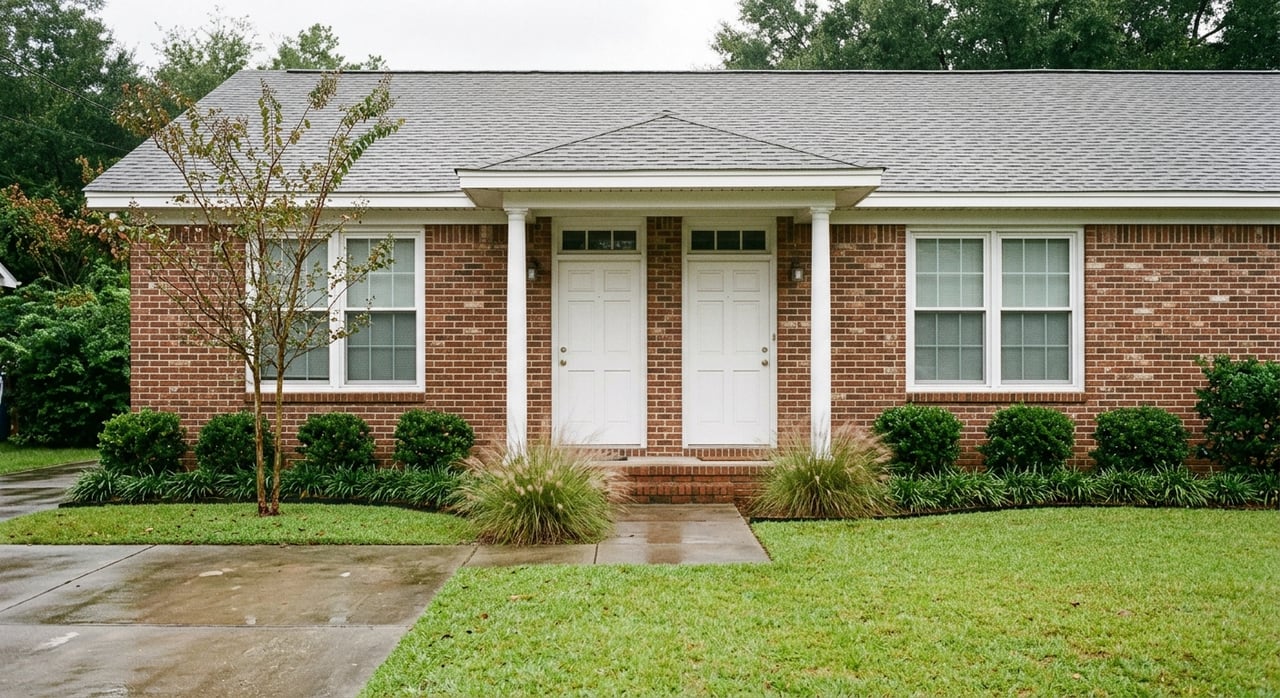
Older homes in Oklahoma City usually attract buyers who care about character and setting. You may notice original design details, more defined room separation, and blocks that feel established over time. In some parts of the city, that setting is part of what makes the home appealing.
City Historic Preservation districts add another layer to consider. Oklahoma City includes districts such as Crown Heights, Edgemere Park, Jefferson Park, Mesta Park/Heritage Hills, Paseo, Putnam Heights, and Shepherd. If a home sits in one of these districts, exterior changes, demolitions, and new construction require city review and a Certificate of Approval.
That does not mean you should avoid these areas. It simply means you should understand the rules before you plan a renovation or exterior update. For many buyers, that tradeoff is worth it because the home and neighborhood feel more distinctive and established.
Older homes may fit you if you want
- Historic character and architectural details
- A location that may be closer to the city core
- Established blocks and a mature neighborhood identity
- A home you can improve over time
What newer homes often offer
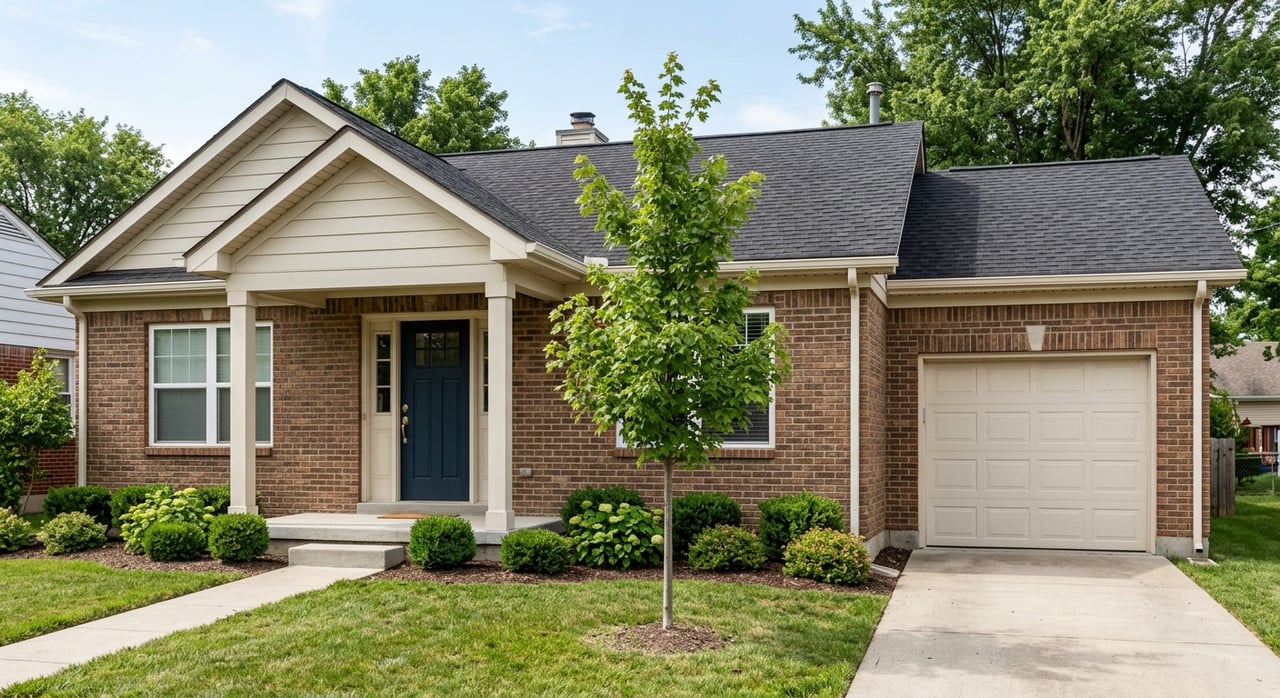
Newer homes tend to be designed around how many people live today. Production floor plans commonly feature larger kitchens that open into family rooms, along with more storage, dedicated laundry space, and modern wiring. If you want easy everyday function, that can be a major advantage.
Many buyers also like the ability to choose finishes or find a home with recent design trends already in place. Compared with many older homes, newer construction often has fewer immediate update needs related to layout, outlets, or technology setup. That can make the move feel simpler from day one.
Another common benefit is warranty coverage. Many new homes include a builder warranty, with common coverage periods of one year for workmanship and materials, two years for HVAC, plumbing, and electrical systems, and up to 10 years for major structural defects depending on the builder. Even so, newer does not mean maintenance-free, and regular upkeep still matters.
Newer homes may fit you if you want
- Open-concept living spaces
- More storage and laundry space
- Modern wiring and systems
- Builder warranty coverage
- A stronger energy-efficiency baseline
Layout and daily comfort matter
One of the biggest real-life differences between older and newer homes is how the space feels when you live in it. Older homes can have more segmented rooms, which some buyers love for privacy and defined spaces. Others find those layouts less flexible for daily routines or entertaining.
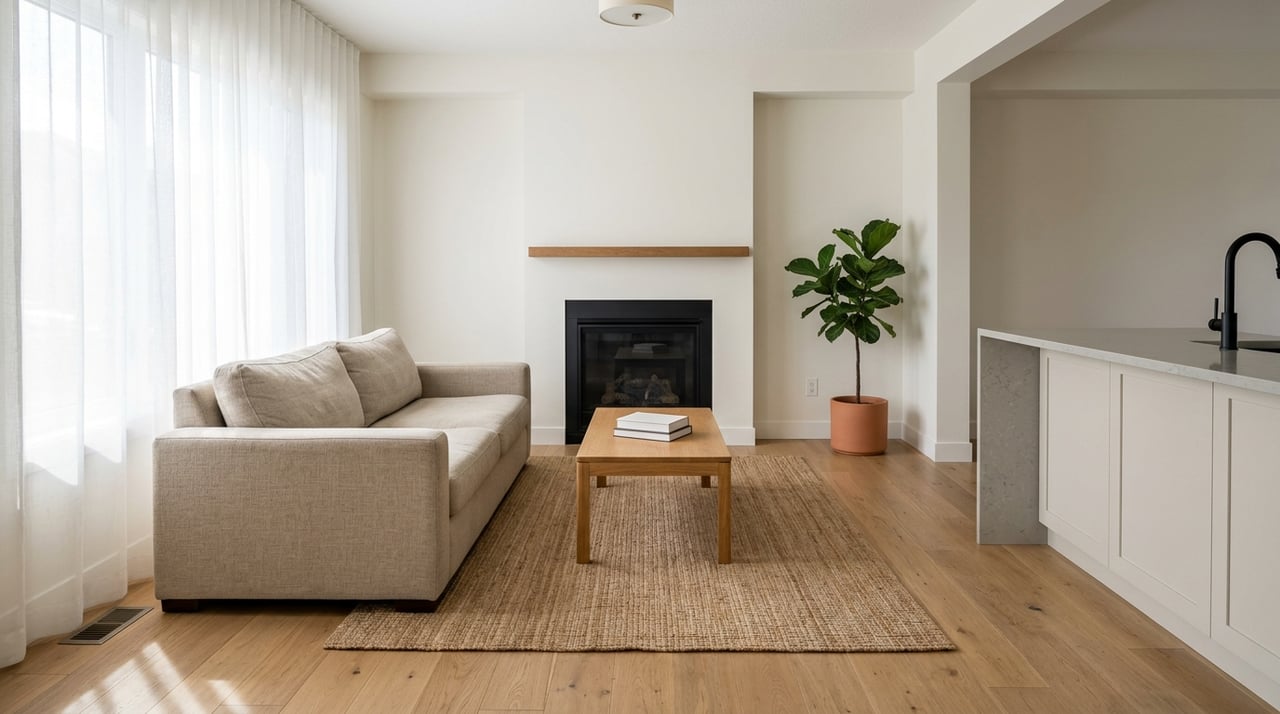
Newer homes often reduce formal rooms in favor of larger shared living areas. If you cook while helping with homework, host friends often, or want sightlines across the main living space, a newer floor plan may feel easier. Neither approach is better for everyone, but it helps to think about how you actually live, not just what photographs well.
Energy performance in Oklahoma City
Oklahoma City weather makes energy performance especially important. NOAA climate normals for Oklahoma City Will Rogers Airport show 73.5 days per year with highs at or above 90°F, along with an annual mean temperature of 60.1°F and 36.39 inches of annual precipitation. In a climate with long hot stretches, cooling efficiency matters.
Newer homes often have an advantage because insulation and air sealing are easier and more cost-effective to get right during construction. The Department of Energy notes that air leakage can account for 30% or more of a home’s heating and cooling costs. That means a well-built newer home may offer lower surprise costs for comfort, though build quality still matters.
Older homes can still perform well, but they usually need closer evaluation. Practical first steps include an energy assessment, checking attic and wall insulation, and looking at air sealing. If you love an older house, these items can help you understand what updates may improve comfort and operating costs.
Maintenance and risk look different
Every home needs maintenance, but the risk profile changes with age. Older homes deserve extra attention on insulation, air sealing, foundation condition, roof age, windows, and exterior wear. These are not automatic deal-breakers, but they should be part of your budget and expectations.
In Oklahoma, shrink-swell soils are common and can lead to cracks in foundations and walls. Oklahoma City is also among the more tornado-prone cities in the United States, and severe storms can bring large hail and damaging winds. Because of that, the condition of the roof, drainage, and structural components matters in both older and newer homes.
New construction lowers some risks, but it does not erase them. A newer home can still have workmanship issues, grading concerns, or system problems. It is wise to look at quality of execution, not just the year the home was built.
Renovation rules can affect your plans
If you are buying an older home with plans to remodel, make sure you understand city requirements early. Oklahoma City requires permits when you construct, alter, repair, enlarge, move, or demolish a structure. Some trade permits are limited to licensed, city-registered contractors.
That matters even more in Historic Preservation districts. In those areas, exterior changes and new construction need a Certificate of Approval. If your dream home comes with a dream renovation, you want to know what is allowed before you commit.
New does not always mean better built
It is easy to assume that newer automatically means better, but that is too simple. Oklahoma City currently uses adopted building codes that include the 2018 IRC and 2009 IECC, yet the actual quality of construction still depends on execution. A well-maintained older home can outperform a poorly built newer one in important ways.
That is why your comparison should focus on condition and documentation, not just age. A newer home with warranty paperwork and strong workmanship may be a great fit. An older home with thoughtful updates and solid maintenance history may be just as compelling.
A smart middle-ground option
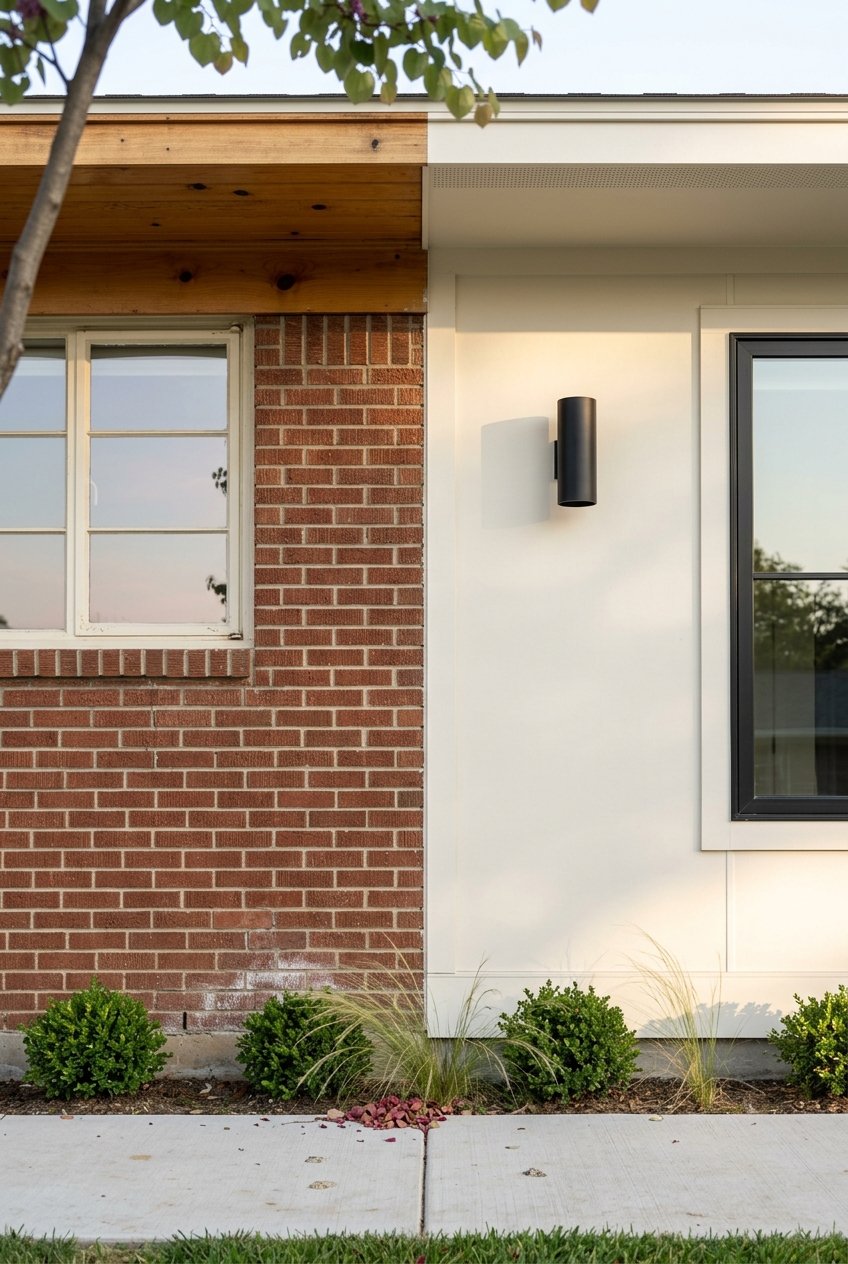
You may not have to choose one extreme or the other. In Oklahoma City, renovated older homes and newer infill properties can offer a useful middle ground. City planning materials specifically support infill in the right places while also aiming to preserve neighborhood character.
That can mean you get a more established setting with updated systems, or a newer home that fits more naturally into an older area. If you want balance, this category is worth a close look. For many buyers, it offers the best mix of function, feel, and long-term comfort.
Questions to ask on every tour
When you compare homes in Oklahoma City, a few questions can quickly bring clarity. These items often affect comfort, upkeep, and surprise costs more than cosmetic finishes do.
- Has there been any foundation movement or cracking?
- How does drainage move water away from the home?
- How old is the roof?
- What do insulation and air sealing look like?
- How old is the HVAC system?
- Is the property in a Historic Preservation district?
- If the home is newer, is warranty paperwork available?
How to choose the right fit for you
If you want character, an established setting, and a home closer to the city core, an older home may be the right choice. You just need to be comfortable with more due diligence, possible updates, and in some areas, preservation rules. That path can be deeply rewarding when you value place and personality.
If you want a more open layout, more storage, modern systems, and a better energy-efficiency baseline, a newer home may suit you better. It can also feel less overwhelming if you want fewer immediate projects after move-in. For many buyers, that simplicity creates peace of mind.
If you are unsure, focus on your real priorities. Think about how much maintenance you can take on, how important layout is to your daily routine, and whether neighborhood feel or turnkey convenience matters more. Once those answers are clear, the right direction usually becomes much easier to see.
Choosing between older and newer homes in Oklahoma City should not feel like guesswork. With a calm plan and the right local guidance, you can weigh tradeoffs clearly and move forward with confidence. If you want help comparing neighborhoods, touring options, or narrowing your must-haves, Rachael Silverstein is here to help you make a smart, low-stress move.
FAQs
What should you check first in an older Oklahoma City home?
- Focus first on foundation movement, drainage, roof age, insulation, air sealing, HVAC age, and overall exterior wear.
What are the main benefits of newer homes in Oklahoma City?
- Newer homes often offer open layouts, more storage, modern wiring, warranty coverage, and a stronger starting point for energy efficiency.
Do historic districts in Oklahoma City affect home updates?
- Yes. In Oklahoma City Historic Preservation districts, exterior changes, demolitions, and new construction require city review and a Certificate of Approval.
Are older homes always less energy efficient in Oklahoma City?
- Not always, but many older homes need closer review for insulation and air sealing, especially because Oklahoma City has many hot days each year.
Is new construction in Oklahoma City maintenance-free?
- No. New homes can reduce some risks and may include builder warranties, but they still require maintenance and should be judged on build quality.
What is a good middle-ground option between old and new homes in Oklahoma City?
- Renovated older homes and newer infill homes can offer a blend of updated systems, practical layouts, and a more established neighborhood setting.