Buying your first home in Yukon can feel exciting and a little overwhelming at the same time. You are likely trying to balance budget, monthly payment, home condition, and location, all while sorting through listings that do not always tell the full story. The good news is that Yukon offers real starter-home opportunities if you know what to look for, what trade-offs to expect, and how to plan your numbers carefully. Let’s dive in.
Why Yukon Appeals to First-Time Buyers
Yukon is part of the Oklahoma City metro and sits about 16 miles from Oklahoma City. For many first-time buyers, that creates a practical mix of metro access, everyday convenience, and a more relaxed residential feel.
It is also a market where you can still find a range of price points. That matters when you are trying to enter homeownership without stretching beyond what feels comfortable each month.
What the Yukon Market Looks Like Now
Recent data show that Yukon’s market can look different depending on which number you are viewing. Zillow reports an average home value of $273,583, up 1.3% year over year, with homes going pending in about 46 days.
At the same time, Redfin reports a March 2026 median sale price of $237,000 and an average of 15 days on market. Realtor.com shows a median listing price of $304,900 and median days on market of 46.
The key takeaway is simple: list prices, sale prices, and home-value estimates are not the same thing. If you are shopping for a starter home in Yukon, you will want to compare all three so you can understand where homes are priced, where they are actually closing, and how fast they are moving.
Starter Home Prices in Yukon
For many first-time buyers, the most realistic starter-home lane in Yukon is the 3-bedroom market. Current listings show 3-bedroom homes clustering from the low $190,000s into the mid-$300,000s, with the low-to-mid $200,000s standing out as the core range.
Recent examples include homes around $195,000, $199,900, $230,000, and $264,900. Smaller or older homes may come in lower, while more updated or larger homes tend to push toward the upper end of the range.
That means if your budget is centered somewhere around the low-to-mid $200,000s, you may have a meaningful pool of options to explore. If your budget is tighter, you may still find opportunities, but you may need to be more flexible on size, updates, or cosmetic condition.
Why 3-Bedroom Homes Matter Here
Many buyers assume a 2-bedroom home will be the easiest starter option. In Yukon, that is not always true.
Current search results show far more 3-bedroom inventory than 2-bedroom inventory. Realtor.com shows 563 3-bedroom homes for sale in Yukon, while 2-bedroom results are much thinner.
That matters because more inventory can give you more choices in layout, condition, and price. In practical terms, your starter-home search in Yukon may go more smoothly if you begin with 3-bedroom homes rather than limiting yourself to 2-bedroom properties.
What You Can Expect in a Yukon Starter Home
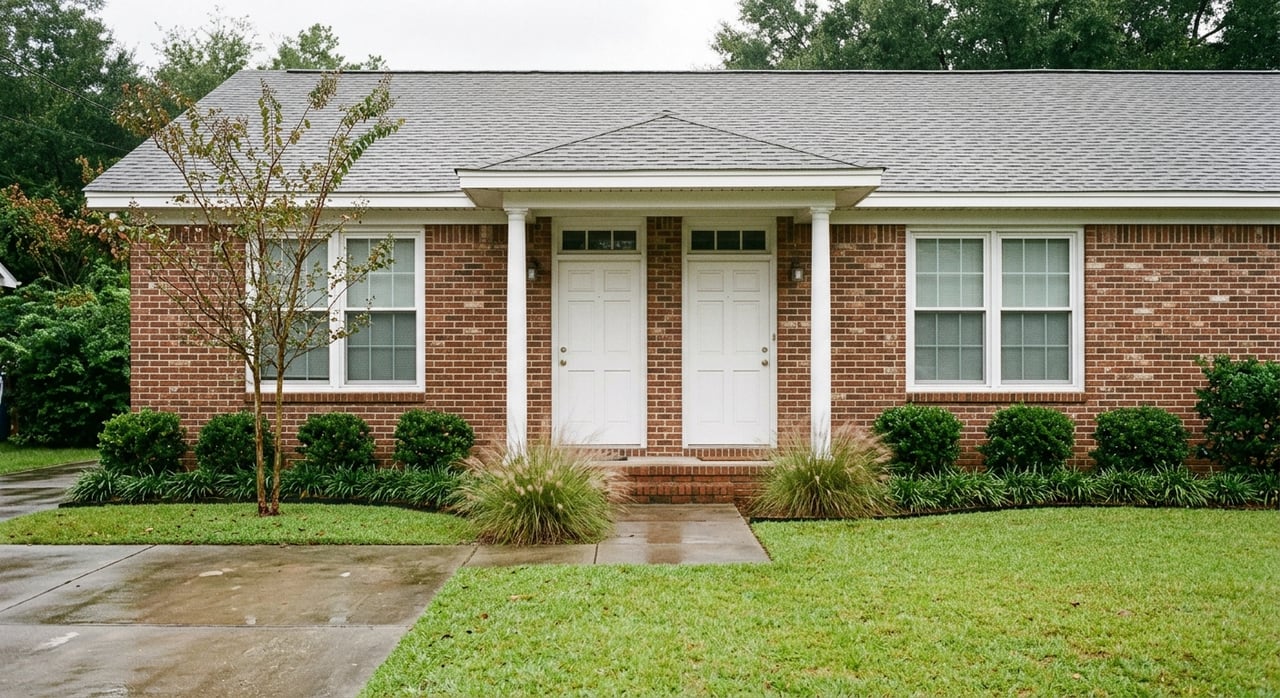
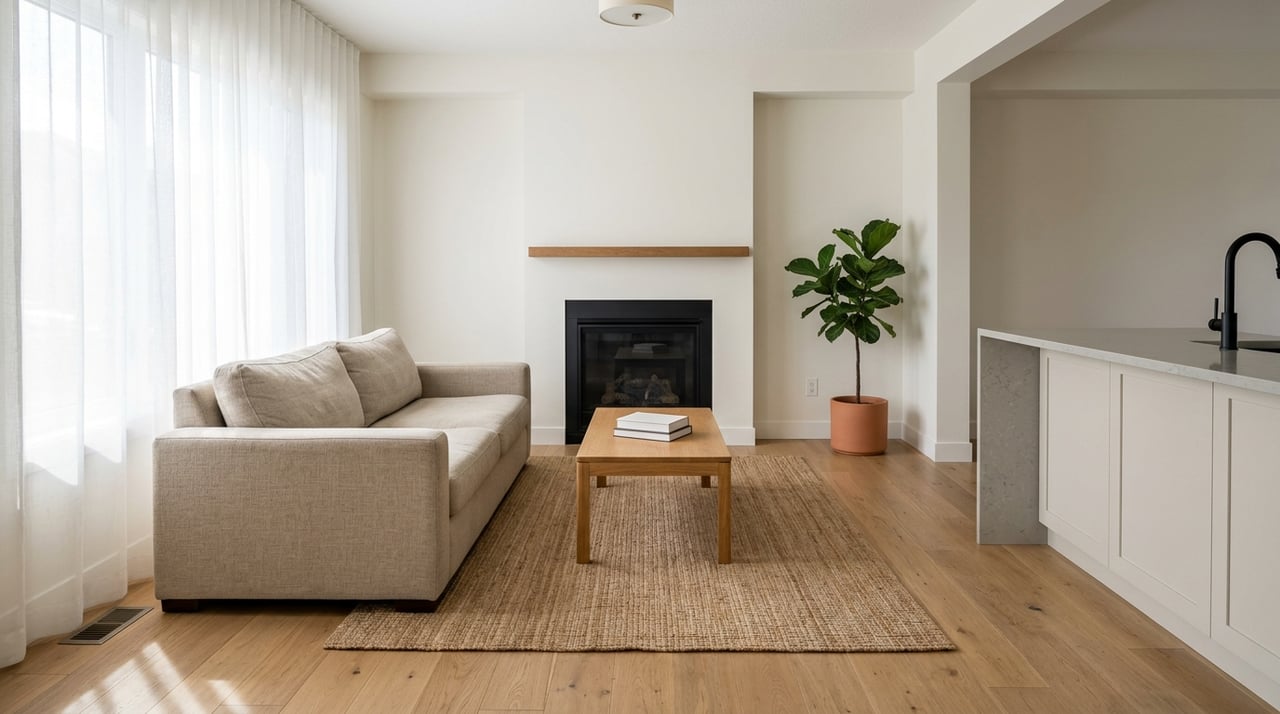
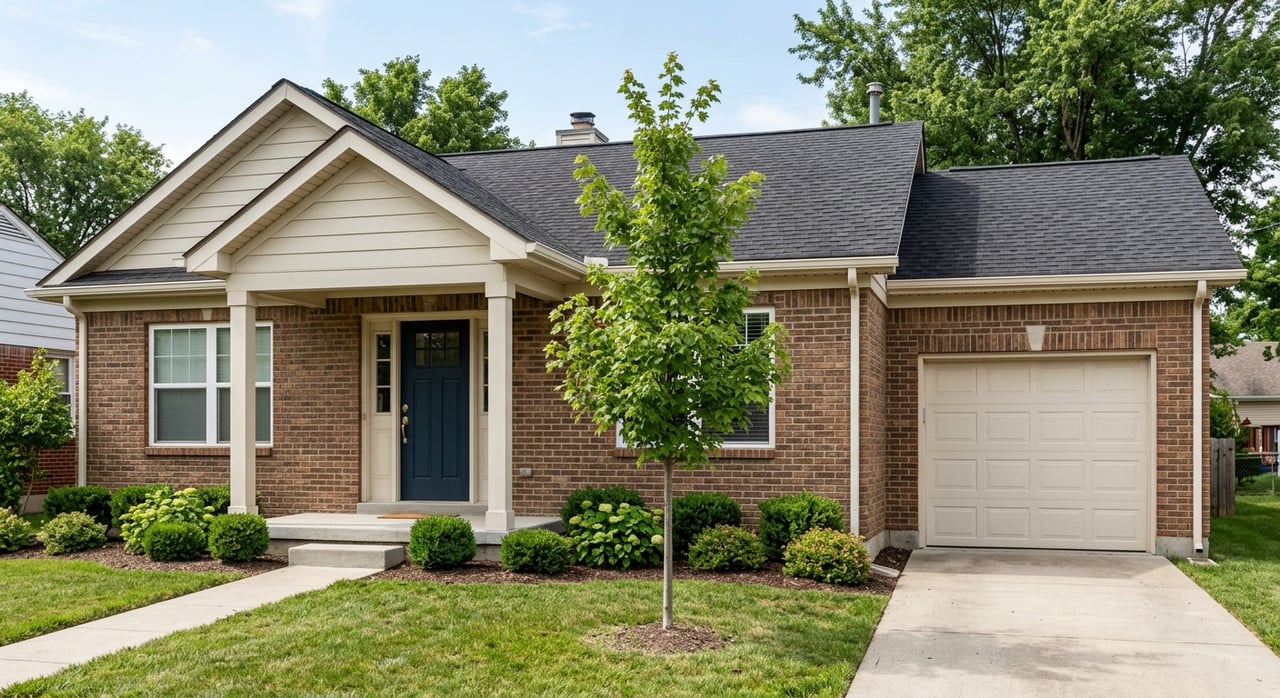
Starter homes in Yukon often include features that feel very livable right away. Current listings mention 2-car garages, open living and kitchen layouts, split floor plans, covered patios, and backyard space.
You may also see updates like granite countertops, vaulted ceilings, upgraded flooring, stainless appliances, backsplashes, fireplaces, and large front porches. These are not guaranteed in every home, but they show that entry-level homes in Yukon can still offer appealing everyday features.
For a first-time buyer, that can be encouraging. You may not need to choose between an affordable home and a functional layout. In many cases, you can find both, though the level of finish and updating will vary.
The Biggest Trade-Offs to Plan For
In Yukon, the most common starter-home trade-off is price versus condition and size. Lower-priced homes are often around 1,100 to 1,400 square feet, while larger or more updated homes usually cost more.
That means you may need to decide what matters most right now. Would you rather buy at a lower price and make cosmetic updates over time, or pay more up front for a home that feels more move-in ready?
Neither choice is wrong. The right answer depends on your cash reserves, your monthly comfort zone, and how much work you are willing to take on after closing.
Should You Consider New Construction?
New construction is part of the Yukon market, but it often comes with a higher entry point. Current examples show 2-bedroom build plans starting at $335,000 and $345,000+, while one 3-bedroom new-construction example is listed at $234,500.
For some buyers, a newer home may be worth the higher upfront and monthly cost because it may offer newer finishes and less immediate maintenance. For others, an existing home may create a more manageable path into homeownership.
If you are comparing both options, look beyond the sticker price. Think about total monthly payment, expected maintenance, and how each home fits your next few years.
Budget Beyond the Purchase Price
One of the biggest first-time buyer surprises is that the price of the home is only part of the picture. You also need to budget for the ongoing costs of ownership.
Those costs can include:
- Mortgage principal and interest
- Mortgage insurance, if applicable
- Property taxes
- Homeowners insurance
- HOA fees, if applicable
- Utilities
- Maintenance
- Flood insurance, in some cases
Closing costs matter too. Current guidance in the research report notes that closing costs typically run about 2% to 5% of the purchase price, separate from your down payment.
That means on a $230,000 home, your closing costs could be a meaningful amount on top of the money you plan to bring for the down payment. A calm home search starts with an honest full-budget conversation, not just a target list price.
A Simple First-Time Buying Roadmap
If the process feels big, it helps to break it into stages. The homebuying path generally looks like this:
- Prepare your finances
- Explore loan options
- Compare loan offers
- Shop for a home
- Make an offer
- Get a home inspection
- Shop for homeowners insurance
- Close on the home
Lenders typically review your income, assets, employment, savings, monthly debt payments, credit reports, and credit scores. Knowing that early can help you get organized before you fall in love with a specific house.
Oklahoma Help for First-Time Buyers
If saving for upfront costs feels like the hardest part, there is relevant state-level support to know about. OHFA offers down payment assistance statewide, and it can be used for new construction or existing homes.
According to OHFA, the assistance can provide 3.5% of the total loan amount for down payment and closing costs. The program works with FHA, VA, USDA-RD, HUD-184, and conventional loans.
The basic program criteria listed by OHFA include:
- Primary-residence occupancy
- Minimum 640 credit score
- Income up to $150,000
- Total debt-to-income ratio not exceeding 45% for the OHFA loan program
OHFA also notes that Gold products are for first-time buyers unless the home is in a targeted area, while Dream products are available to both first-time and repeat buyers. If you think assistance might help, it is worth asking early how it could fit your purchase plan.
Do Not Miss the Canadian County Homestead Exemption
After closing, there is one local money-saving step that new Yukon homeowners should remember. Canadian County says the homestead exemption reduces assessed valuation by $1,000, which typically saves about $60 to $114 in property taxes depending on the millage in your area.
If you are a new owner, you must file with the county assessor. The application must be filed by March 15 to apply for the current tax year.
The good news is that the exemption generally continues without annual reapplication unless ownership or occupancy changes. It is a small step, but it can create a helpful tax break for owner-occupants.
How to Shop Smart in Yukon
A calm, effective starter-home search usually comes down to a few practical moves. First, focus on the price band that truly fits your monthly budget, not just the highest number you might qualify for.
Second, compare 3-bedroom homes first if you want the broadest set of options. In Yukon, that is often where the most realistic starter-home inventory sits.
Third, be clear about your non-negotiables versus your nice-to-haves. A 2-car garage, covered patio, updated kitchen, or larger square footage may all be appealing, but knowing what matters most will help you move faster and with more confidence.
Finally, remember that a starter home does not need to be perfect. It needs to be financially workable, function well for your life today, and give you a solid step into ownership.
If you want steady guidance as you sort through Yukon options, Rachael Silverstein offers a calm, high-touch approach that helps first-time buyers feel informed, supported, and ready to make smart decisions.
FAQs
What price range is realistic for a starter home in Yukon?
- For many first-time buyers, the most realistic core range for a Yukon starter home is roughly the low-to-mid $200,000s, especially in the 3-bedroom segment, though some homes are priced lower and others higher.
Are 2-bedroom homes easy to find in Yukon?
- Not always. Current inventory for 2-bedroom homes is relatively thin, and prices vary widely, so 3-bedroom homes may offer more consistent starter-home options.
What features do Yukon starter homes often include?
- Many current Yukon starter-home listings mention features like 2-car garages, open layouts, covered patios, backyard space, updated flooring, vaulted ceilings, and upgraded kitchen finishes.
What extra costs should first-time buyers budget for in Yukon?
- In addition to the down payment, you should plan for closing costs, which are often about 2% to 5% of the purchase price, plus ongoing costs like taxes, insurance, utilities, maintenance, HOA fees if applicable, and mortgage insurance if applicable.
Is there down payment help available for Yukon buyers?
- Yes. OHFA offers statewide down payment and closing cost assistance that can work with several loan types, subject to program guidelines such as credit, income, occupancy, and debt-to-income requirements.
What is the Canadian County homestead exemption for Yukon homeowners?
- It is a local property-tax benefit for owner-occupants that reduces assessed valuation by $1,000 and typically saves about $60 to $114 per year, depending on the area millage rate, if filed on time with the county assessor.