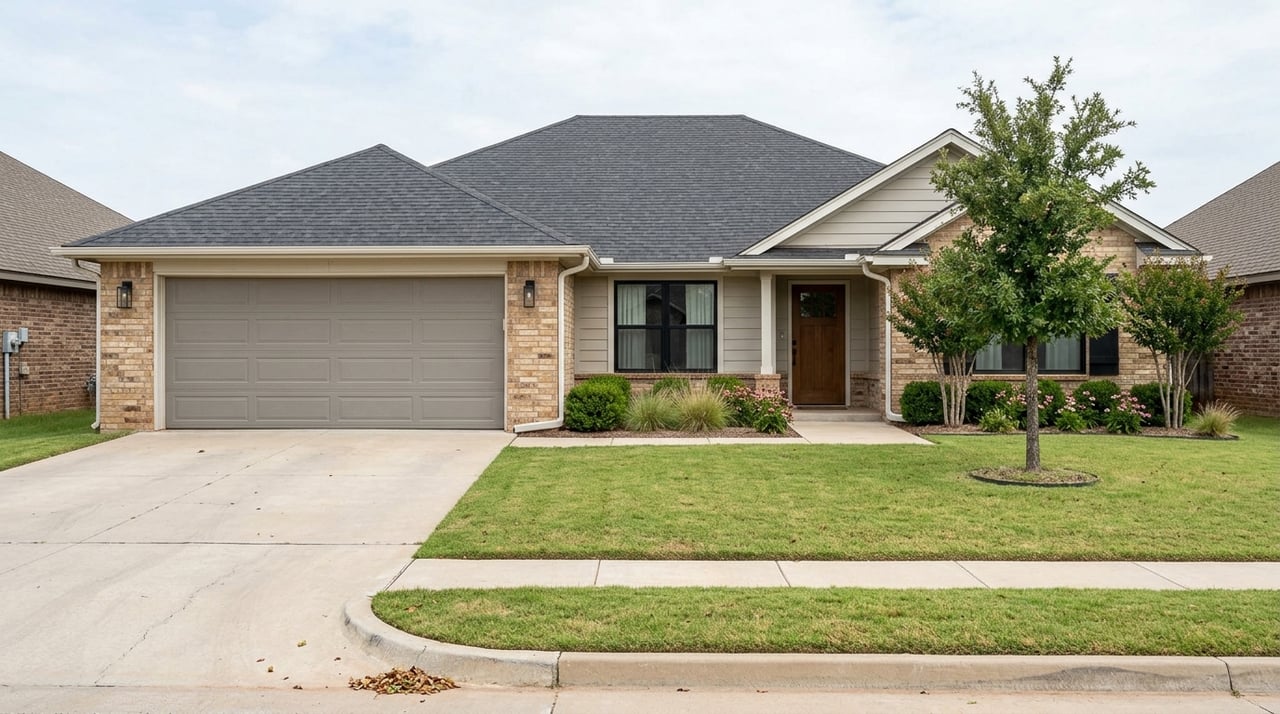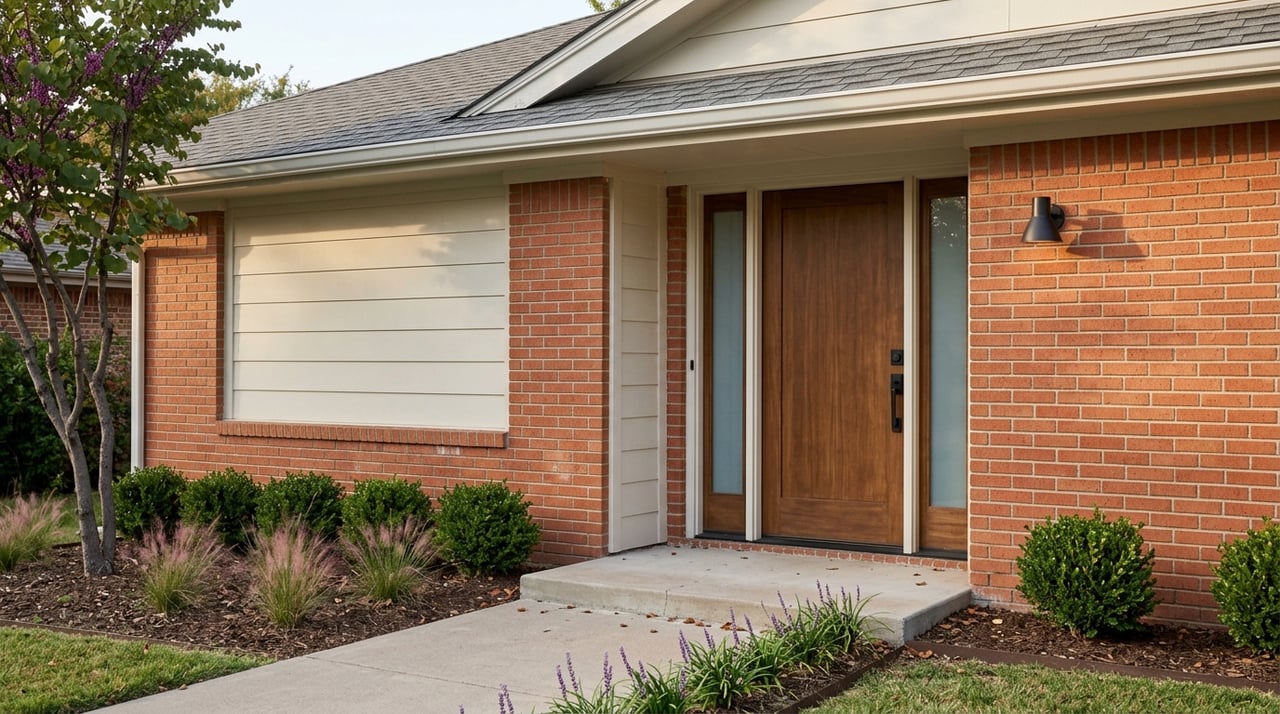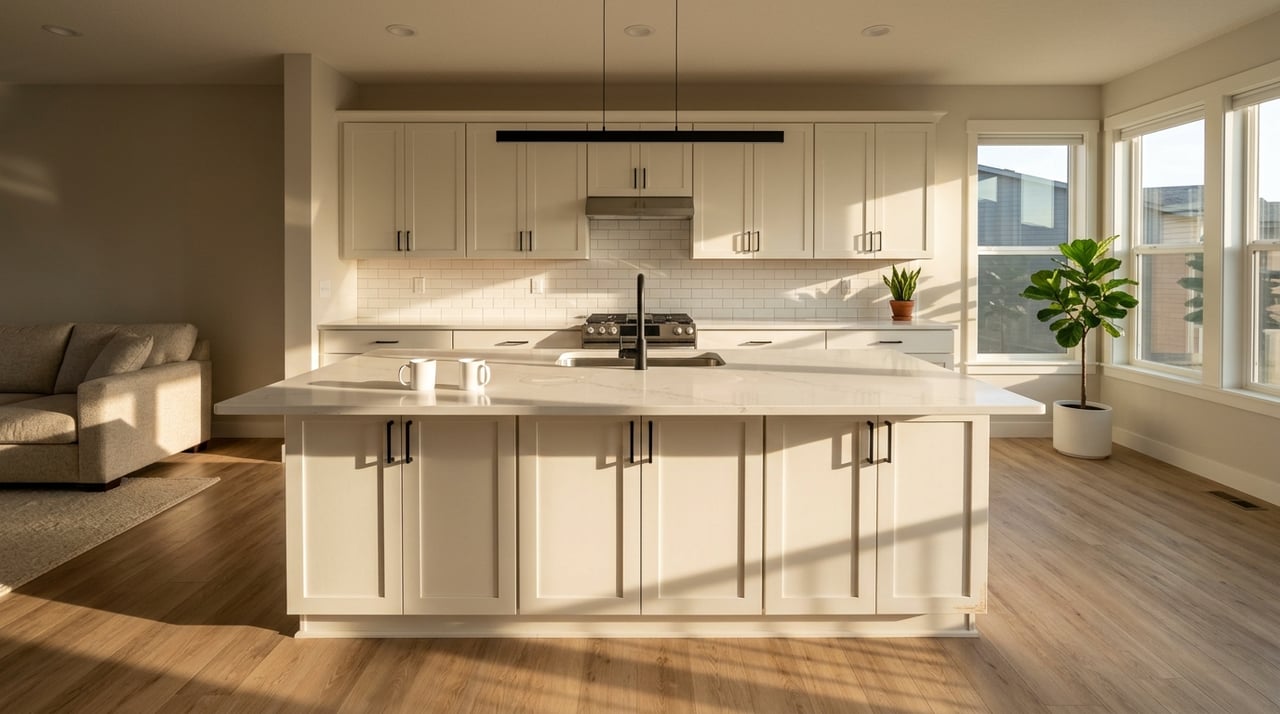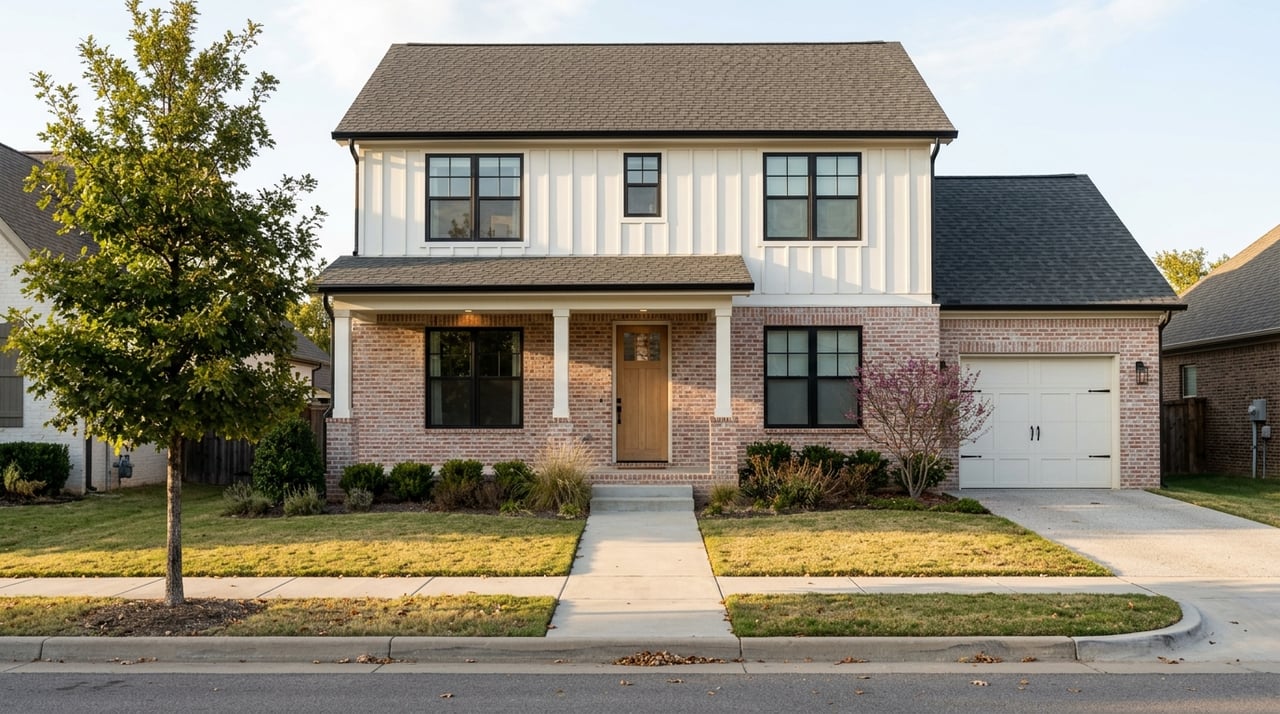
Moving to a new city can feel exciting, but it can also get overwhelming fast, especially when the housing market seems hard to pin down. If you’re relocating to Oklahoma City, you’re probably trying to answer some very practical questions about price, location, commute, and what daily life might actually look like. This overview will help you make sense of Oklahoma City’s housing landscape in a calm, clear way so you can focus on finding the right fit for your budget and lifestyle. Let’s dive in.
Oklahoma City at a Glance
Oklahoma City is a large and growing market. The city’s 2025 population estimate was 719,849, and the owner-occupied housing rate was 58.6%. The median value of owner-occupied homes was $231,300, median gross rent was $1,130, and the mean travel time to work was 22.2 minutes.
Those numbers help set expectations, but they do not tell the whole story. The median year homes were built was 1997, which points to a housing stock that includes both older urban neighborhoods and later suburban growth. For relocation buyers, that means you are not looking at one single housing style or one single price point.
Oklahoma City Is Not One Market
One of the most important things to understand is that Oklahoma City works more like several housing markets under one city name. Recent market data shows a spread in pricing depending on the source and the part of town. Zillow reported a typical home value of $207,961 and a median sale price of $212,667, while Redfin reported a March 2026 median sale price of $270,000 and Realtor.com reported a $269,450 median list price.
That variation does not mean the data is unreliable. It means Oklahoma City is price-diverse. Realtor.com also reported 1,759 active listings, a 19.7% year-over-year rise in inventory, and 20.4% of listings with a price reduction in April 2026, which suggests buyers may see more choices and some pricing flexibility depending on the property.
How Oklahoma City Is Organized
Oklahoma City’s planning framework helps explain why housing can feel so different from one area to another. The city uses typologies such as Urban High, Urban Medium, Urban Low, Rural Low, and Rural Medium. In simple terms, these describe how dense or spread out an area is and what kind of development pattern you can expect.
Urban High areas are among the densest places outside downtown. Urban Medium areas are fully urbanized and often older, with more emphasis on infill, transit access, and pedestrian connections. Urban Low areas are less intensive but still receive full city services, while Rural Low and Rural Medium areas tend to offer larger lots or acreage with more limited infrastructure in some cases.
For you as a buyer, this matters because housing choices often come with tradeoffs. Some areas offer easier access to transit, restaurants, and services, while others offer larger lots, newer construction, or more space between homes.
Where Growth Has Been Happening
The city’s housing study found that most new housing built between 2010 and 2020 was concentrated in peripheral subareas. Northwest-Rural, Northwest-Urban, Southwest-Urban, and Southwest-Rural saw the most new housing activity during that period.
At the same time, Central, Northeast-Urban, and Downtown were identified as the most transit- and service-rich parts of the city. Rural areas, by contrast, often have little or no transit proximity. If you are relocating for work or want easier access to daily errands, those differences can shape your short list quickly.
Common Housing Types in Oklahoma City
Single-family homes remain the main housing type in Oklahoma City. In the city study, 68% of surveyed households lived in single-family homes. That said, there is also real interest in other formats, especially for buyers who want less maintenance, a smaller lot, or a different price point.
In the recent development mix cited by the city, 48% of homes built in the prior decade were traditional single-family homes, 23% were small-lot single-family, 13% were apartment, condo, or loft units, 4% were duplexes or triplexes, 7% were townhomes, and 6% were mobile or other housing types. That creates a wider menu of options for first-time buyers, move-up buyers, and small investors.
What Price Diversity Looks Like
If you are searching online and seeing very different price points, that is normal in Oklahoma City. A useful shorthand is to think in broad price bands rather than one citywide number. Zillow’s citywide typical value was $207,961, but ZIP-level values ranged from about $109,000 in 73111 and $113,000 in 73109 to about $236,000 in 73132, $273,000 in 73162, $290,000 in 73170, and $343,000 in 73103.
This kind of spread means your budget can open very different doors depending on where you look. It also means relocation planning works best when you compare areas based on your priorities instead of trying to find one universally “best” part of the city.
How to Think About Area Tradeoffs
For many relocation buyers, the real challenge is not whether Oklahoma City has options. It is how to sort through options that fit different lifestyles. Central and Downtown areas are generally the strongest match for transit, restaurants, and other everyday conveniences.
Peripheral and rural-edge areas often trade convenience for larger lots, more privacy, and newer construction. The city’s housing study also found that more urban and suburban areas are more likely to be within walking distance of schools than rural areas. That does not speak to school quality or attendance boundaries, but it does show how day-to-day access can vary.
Transit, Services, and Daily Convenience
Citywide, 53% of existing housing was within a half-mile of transit. About 71% was within a half-mile of a school, and roughly three-quarters of existing housing was within walking distance of a restaurant. Those are helpful indicators if you are trying to picture your routine after the move.
If you want a more connected lifestyle, the inner core and more urbanized areas may deserve a closer look. If you prefer more space and do not mind driving more often, peripheral parts of the city may feel like a better fit.
School Boundaries Still Need Verification
When you relocate, it is easy to assume that being near a school means a home is assigned to that school. In practice, that is not always the case. The city study measured proximity to schools, not exact attendance boundaries.
That means you should verify the assigned school zone for any property you are seriously considering. This is a simple step, but it can prevent confusion later and help you make a more informed decision.
Weather and Site Selection Matter
In central Oklahoma, weather should be part of your housing search from the beginning. The National Weather Service identifies Oklahoma City as being near the heart of tornado alley. The city’s floodplain rules also require permits for floodplain development and recommend flood insurance because standard homeowners insurance does not cover flood damage.
For relocation buyers, this makes property-level details especially important. Roof condition, drainage, storm shelter options, and floodplain status all deserve close attention during your search and inspection process.
Budget Beyond the Purchase Price
A calm relocation plan also looks beyond the list price. Oklahoma County’s assessor explains that homestead exemptions are available for owner-occupants, with the filing window generally running from January 1 through March 15. That may affect your long-term ownership costs if you plan to live in the home.
There may also be assistance options depending on your situation and the property location. The City of Oklahoma City offers income-eligible down payment and closing-cost assistance up to $18,000, plus a $5,000 rate buydown, within approved boundaries. If you are relocating and trying to balance cash to close with monthly affordability, that is worth exploring early.
A Practical Way to Narrow Your Search
If Oklahoma City feels broad, that is because it is. The most helpful way to narrow your search is to compare areas based on a few core priorities instead of chasing every listing. In many cases, the best fit comes down to balancing price, land, commute, walkability, and weather resilience.
You may also find yourself comparing Oklahoma City with nearby areas that stay in the same relocation conversation, such as Moore-Norman, Edmond, northwest OKC, southwest OKC, or the inner core. That is a normal part of the process, especially if you want to match your home search to work patterns, lifestyle goals, or preferred housing type.
A Calm Approach to Relocating Well
Relocating to Oklahoma City does not have to feel chaotic. The city offers a broad range of housing choices, from older urban neighborhoods to suburban growth areas to larger-lot rural-edge options. The key is not finding one perfect version of Oklahoma City, but finding the version that fits you best.
If you want calm guidance as you compare neighborhoods, home types, commute tradeoffs, and budget options across the Oklahoma City metro, Rachael Silverstein can help you build a clear plan and move forward with confidence.
FAQs
What is the Oklahoma City housing market like for relocation buyers?
- Oklahoma City is best understood as a price-diverse market with a wide range of home styles, locations, and price points rather than one single market pattern.
What home prices should you expect in Oklahoma City?
- Citywide figures vary by source, but the bigger takeaway is that values can differ widely by area, with ZIP-level typical values ranging from about $109,000 to $343,000 in the research provided.
What types of homes are common in Oklahoma City?
- Single-family homes are the most common, but buyers can also find small-lot single-family homes, townhomes, duplexes, triplexes, apartments, condos, lofts, and some acreage-style properties.
What parts of Oklahoma City offer more convenience?
- Central, Northeast-Urban, and Downtown areas tend to be more transit- and service-rich, while peripheral and rural-edge areas often offer more space but less proximity to daily conveniences.
What should relocating buyers check about Oklahoma City properties?
- You should pay close attention to roof condition, drainage, storm shelter options, floodplain status, commute patterns, and confirmed school attendance boundaries for any home you are considering.
Are there buyer assistance programs in Oklahoma City?
- The City of Oklahoma City offers income-eligible down payment and closing-cost assistance up to $18,000 plus a $5,000 rate buydown within approved boundaries, based on the research provided.