If you want buyers to feel confident about your Norman home, you do not need to start with a massive renovation. In many cases, the smartest prep work is the kind that reduces doubt, answers common concerns, and helps buyers picture themselves living there. With the right steps, you can create a cleaner first impression, avoid avoidable surprises, and help your home feel move-in ready from day one. Let’s dive in.
Why buyer confidence matters
When buyers feel unsure, they slow down. They may hesitate to make an offer, ask for more concessions, or move on to another property that feels simpler and more predictable.
That is why preparation matters so much in Norman. A well-prepared home does more than look nice. It helps buyers feel that the property has been cared for, presented honestly, and priced with fewer question marks attached.
Start with curb appeal first
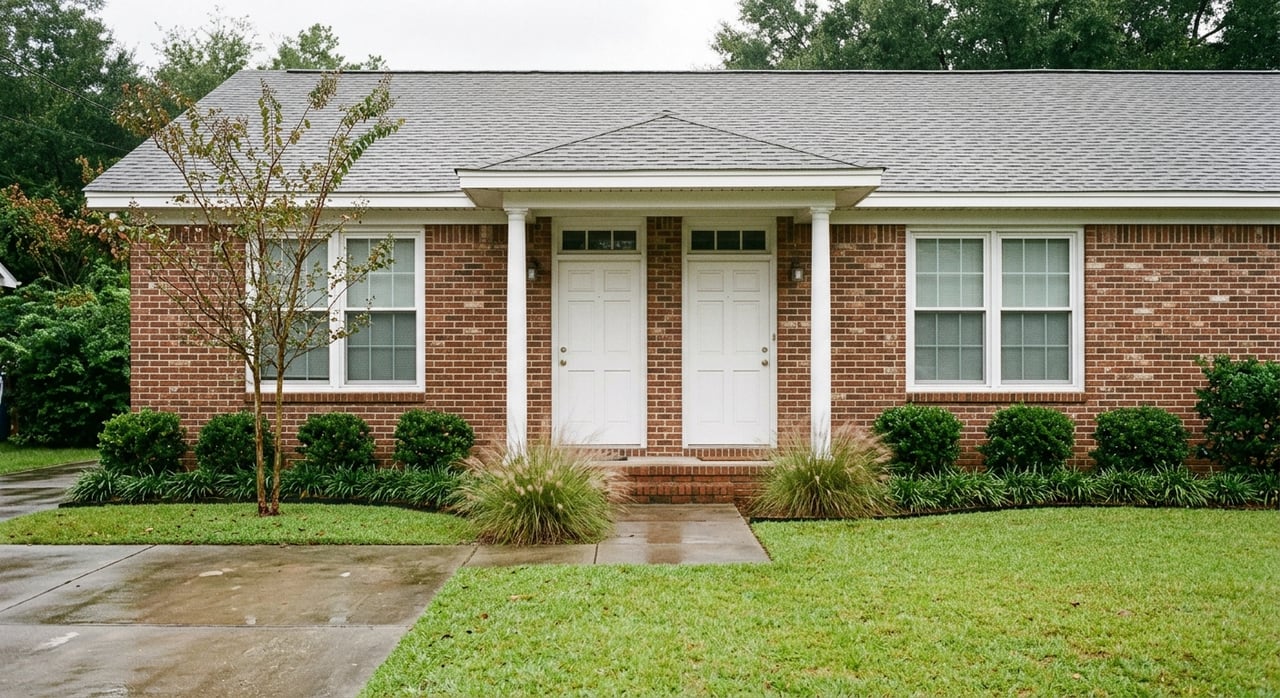
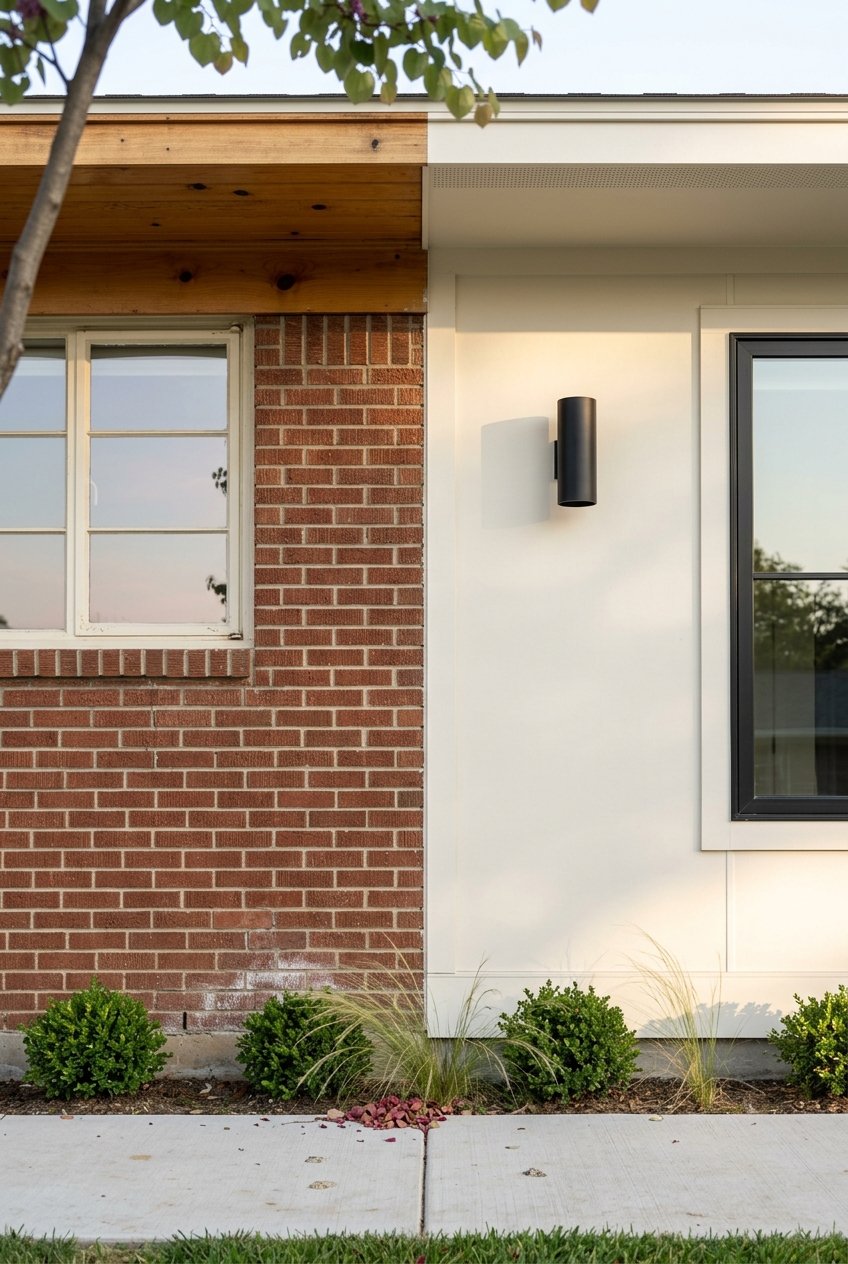
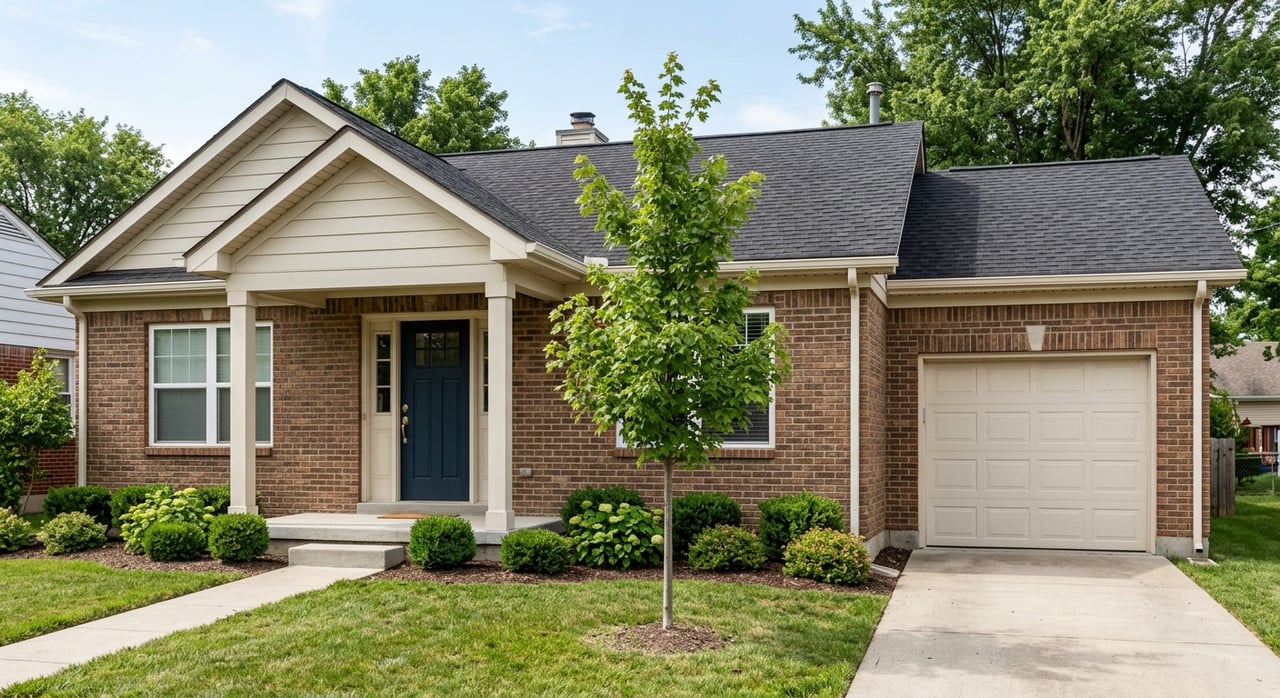
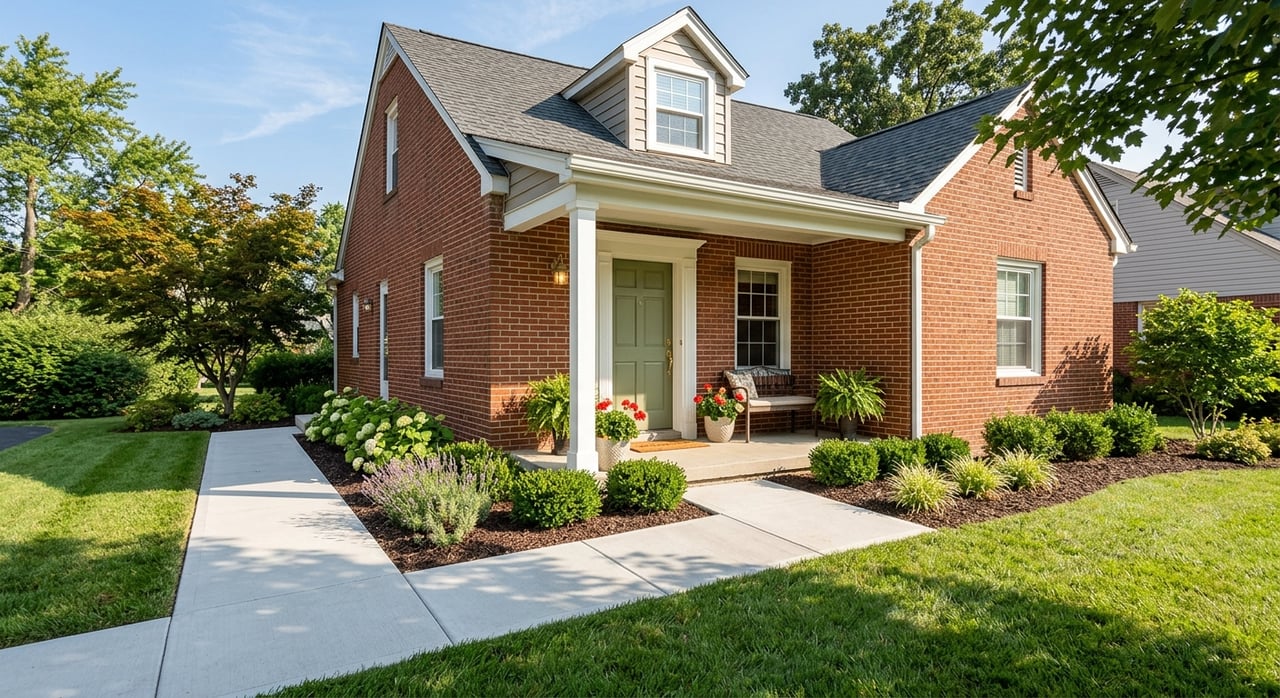
Your exterior sets the tone before a buyer ever walks through the front door. NAR’s 2025 Remodeling Impact Report on outdoor features found that 92% of REALTORS recommend curb appeal improvements before listing, and 97% say curb appeal is important in attracting a buyer.
For many Norman sellers, that means your best first dollars go toward the front yard, entry, exterior lighting, and visible maintenance. You do not need a full exterior overhaul to make a strong impression. You need the home to feel neat, cared for, and easy to approach.
Focus on visible maintenance
Buyers often notice small exterior issues and use them to guess how the rest of the home has been maintained. Peeling paint, overgrown landscaping, dirty walkways, or a tired front door can create uncertainty before the showing even begins.
A simple exterior reset can go a long way. Trim landscaping, clear debris, freshen the entry, replace burnt-out bulbs, and handle obvious minor repairs. These steps help create a clean, steady first impression.
Make the entry feel welcoming
Your front entry is one of the highest-impact areas of your home’s exterior. It frames the buyer’s first pause, first glance, and first expectation of what is inside.
Clean the door, tidy the porch, and keep the path to the entrance clear. If lighting is dim or the hardware looks worn, small updates here can make the home feel more polished without stretching your budget.
Prioritize air quality and comfort indoors
Once buyers step inside, comfort matters quickly. EPA guidance notes that poor ventilation can show up as condensation, stuffy air, dirty HVAC equipment, or moldy belongings, and high temperature and humidity can make indoor air quality worse.
For sellers, that means prep is not just about appearance. It is also about how the home feels, smells, and functions during photos and showings.
Check for moisture and airflow issues
If a room feels damp, stale, or unusually humid, buyers may start wondering what else could be wrong. Even if the issue is minor, that discomfort can affect how they view the entire property.
Before listing, check for condensation, lingering odors, and signs of poor airflow. Review obvious moisture concerns, make sure vents are unobstructed, and consider basic HVAC maintenance so the home feels fresh rather than closed up.
Avoid cosmetic masking
It can be tempting to cover up odors or comfort issues with strong candles, sprays, or quick cosmetic fixes. In practice, that usually creates more doubt, not less.
A better approach is to solve the source where possible. Clean thoroughly, improve airflow, keep temperatures comfortable, and make sure the home feels naturally fresh during showings.
Stage the rooms buyers notice most
If you are trying to decide where to spend your time, start with the spaces buyers pay attention to first. NAR’s 2025 Profile of Home Staging found that the most commonly staged rooms were the living room, primary bedroom, dining room, and kitchen.
The same research found that 83% of buyers’ agents said staging made it easier for buyers to visualize the property as their future home. That matters because buyers are not just evaluating square footage. They are imagining daily life.
Start with a simple staging order
For many Norman sellers, staging does not mean renting a truckload of furniture or redesigning every room. It often means editing the home so the most important spaces feel open, bright, and easy to understand.
A practical order of operations looks like this:
- Declutter each room
- Remove highly personal items
- Clean surfaces thoroughly
- Brighten the space with light and open window coverings
- Arrange furniture to improve flow in the main living areas
This approach keeps your budget focused on the areas that do the most work during showings and listing photos.
Give extra attention to four key rooms
If your time is limited, put the most effort into the living room, primary bedroom, dining room, and kitchen. Those are the rooms buyers most often see as anchors of daily life.
The goal is not perfection. The goal is to help each room feel calm, functional, and spacious enough for buyers to picture their own routines there.
Reduce surprises before buyers find them
One of the best ways to attract confident buyers is to get ahead of issues before they surface during the transaction. Oklahoma’s Residential Property Condition Disclosure Act requires sellers of residential property to deliver either a disclaimer or a disclosure statement before an offer is accepted.
The law also says the disclosure is based on the seller’s actual knowledge and is not a warranty. That means preparation is not about guessing. It is about taking a clear-eyed look at the property and being ready to communicate known issues accurately.
Review the issues buyers worry about most
The Oklahoma disclosure form asks about a range of concerns that often affect buyer confidence. These include water and sewer systems, drainage or grading problems, roof and foundation concerns, plumbing, electrical, heating and cooling systems, wood-destroying organisms, major fire or tornado damage, hazardous materials, and known issues such as prior meth manufacturing.
For a Norman homeowner, this makes pre-listing review especially important. If you already know where the weak spots are, you can decide how to address them before they become stressful negotiations later.
Do a pre-listing home audit
A simple pre-listing audit can help you organize what needs attention. Focus first on the roof, gutters, foundation, plumbing leaks, HVAC service records, and any storm-related repairs.
This does not need to feel overwhelming. The point is to create clarity so you can move forward with a plan instead of reacting under pressure once buyers are involved.
Consider a pre-listing inspection
NAR reported in 2025 that agents are increasingly using pre-listing inspections to reduce surprises and help prevent canceled contracts. For some sellers, this can be one of the most valuable prep steps before the home goes live.
A pre-listing inspection can help you sort concerns into three practical categories:
- Repair now
- Price for later
- Disclose clearly
That kind of organization supports stronger decisions. It can also make negotiations smoother because you are less likely to be caught off guard after the buyer completes their own inspection.
Get the home photo-ready and showing-ready
Once the major prep work is done, presentation becomes the final layer. At this stage, your goal is to make the home feel bright, comfortable, and easy to tour both online and in person.
According to the staging research and EPA guidance on indoor comfort, the basics still matter. A home that feels clean, open, and well-ventilated gives buyers fewer reasons to hesitate.
Use a simple showing checklist
Before photos or showings, keep this checklist in mind:
- Open blinds or curtains to bring in light
- Turn on lamps and overhead lighting as needed
- Set the temperature to a comfortable level
- Store visible clutter out of sight
- Wipe down kitchen and bath surfaces
- Make sure entry spaces feel clean and open
These small steps help your home read as move-in ready, both in person and in photos.
Follow a smart prep sequence
If you are wondering what order makes the most sense, keep it simple. The most practical Norman prep sequence is exterior cleanup and minor repairs first, disclosure and inspection review second, and staging and photo prep last.
That order helps you focus your budget where buyers notice it most. It also reduces the chance of last-minute stress once the home is listed and showings begin.
Preparing your home to attract confident buyers is really about creating clarity. When the property looks cared for, feels comfortable, and comes with fewer unanswered questions, buyers can focus on the opportunity instead of the risk. If you want calm, strategic guidance on how to prepare your Norman home for the market, Rachael Silverstein can help you build a plan that feels manageable from start to finish.
FAQs
What helps a Norman home attract confident buyers?
- The most effective steps are usually improving curb appeal, cleaning and decluttering key rooms, addressing obvious maintenance issues, and reducing uncertainty around disclosures and inspections.
Which rooms should you stage before selling a Norman home?
- Based on 2025 NAR staging research, the rooms most often staged are the living room, primary bedroom, dining room, and kitchen.
What does Oklahoma require sellers to disclose before accepting an offer?
- Oklahoma law requires most sellers of residential property to deliver either a disclaimer or a disclosure statement before an offer is accepted, based on the seller’s actual knowledge.
Should you get a pre-listing inspection before selling a Norman home?
- A pre-listing inspection can help reduce surprises, organize repairs, and support clearer disclosures, which may help prevent stress later in the transaction.
What should you fix before listing a home in Norman?
- Start with issues buyers commonly worry about, such as roof or gutter concerns, drainage or grading problems, foundation issues, plumbing leaks, HVAC maintenance, and visible exterior upkeep.